Engineered for structural durability, optimal thermal stability, and long-term electrical protection.
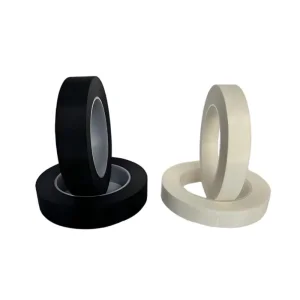
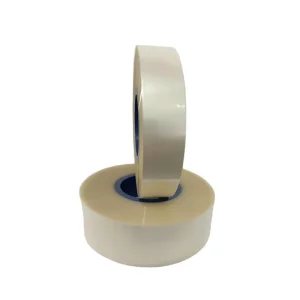
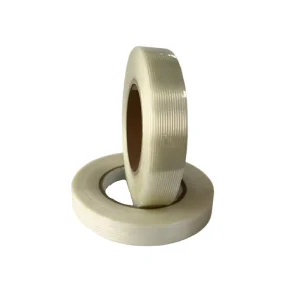
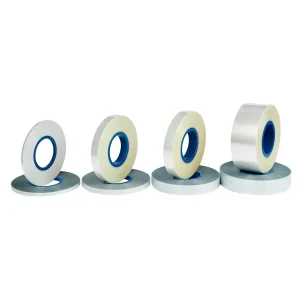
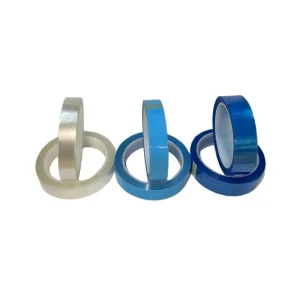
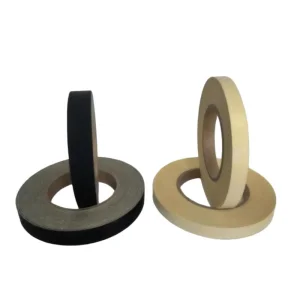
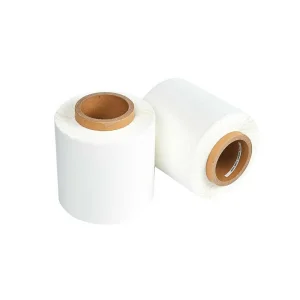
In modern industrial applications, particularly within the fast-evolving semiconductor, automotive, and smart appliances markets, thermal barriers are no longer just basic insulating wraps. They have evolved into complex, multi-functional material layers designed to manage heat transfer, resist high-temperature degradation, ensure dielectric isolation, and suppress flame propagation. Chinese manufacturers, using Nantong and surrounding advanced industrial zones as critical hubs, have combined deep chemical R&D with efficient raw material supply networks to establish themselves as world-class producers of these critical industrial components.
China-based thermal barrier factories have achieved dominance due to a structural integration of key competencies:
Established in June 2007, Jiangsu Yongjia Electronic Materials Co., Ltd. has developed over 18 years of focused technological growth into a comprehensive, high-integrity service provider of advanced tape and thermal barrier products. Operating from our production base in Nantong, Jiangsu Province, our factory spans an expansive 16,000 square meters, featuring a modern 9,000 square meter layout dedicated to high-precision dust-free manufacturing, R&D laboratories, and quality inspection units.
With a dedicated staff of over 100 industrial professionals, we integrate raw material engineering, adhesive synthesis, coating, laminating, slitting, and custom die-cutting. This enables us to maintain a consistent output of high-performance carrier tapes, electrical barrier films, and flame-retardant industrial tapes tailored to global standards.
How our thermal & electrical barriers are applied across key sectors.
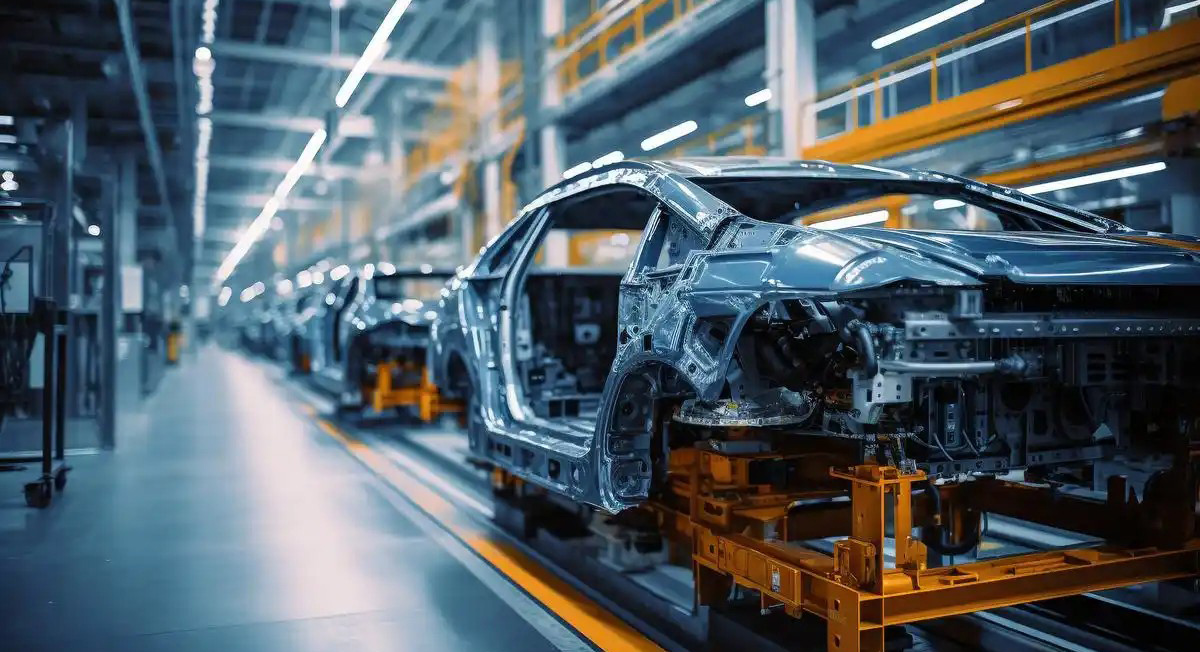
Used in wiring harness wraps, engine compartments, and EV battery module pack layouts requiring insulation and high heat resistance.
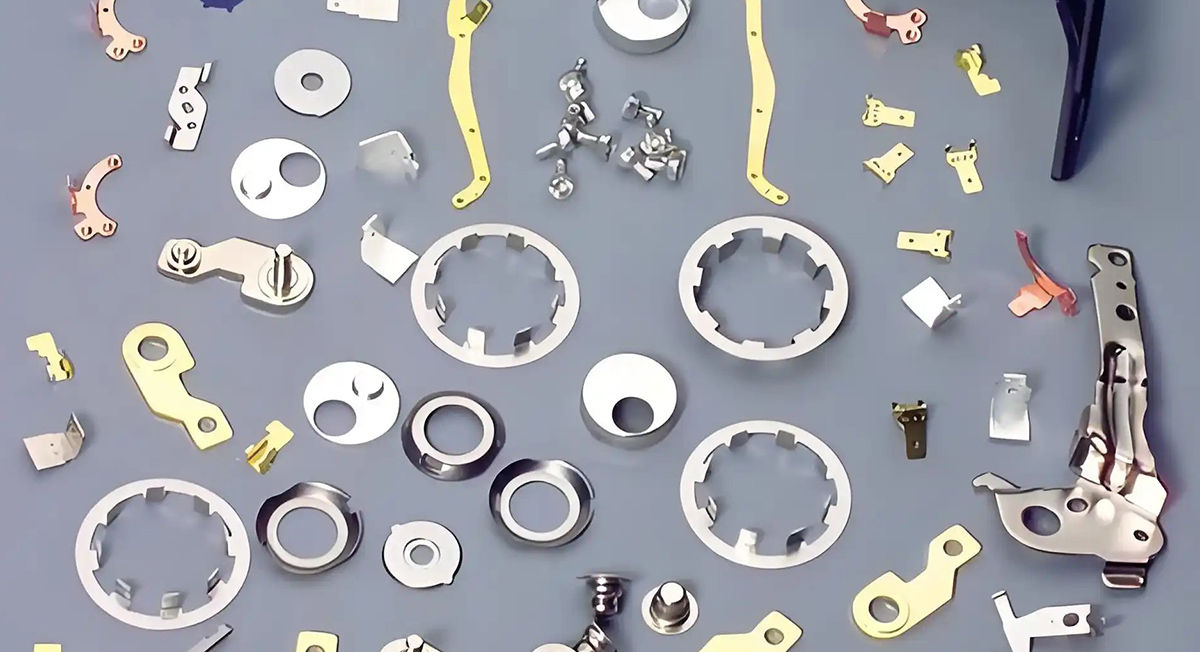
Protects sensitive surfaces during heavy metal stamping, forming processes, and high-pressure manufacturing operations.

Anti-static cover tapes ensuring the safe transport, storage, and automated packaging of semiconductor microchips.
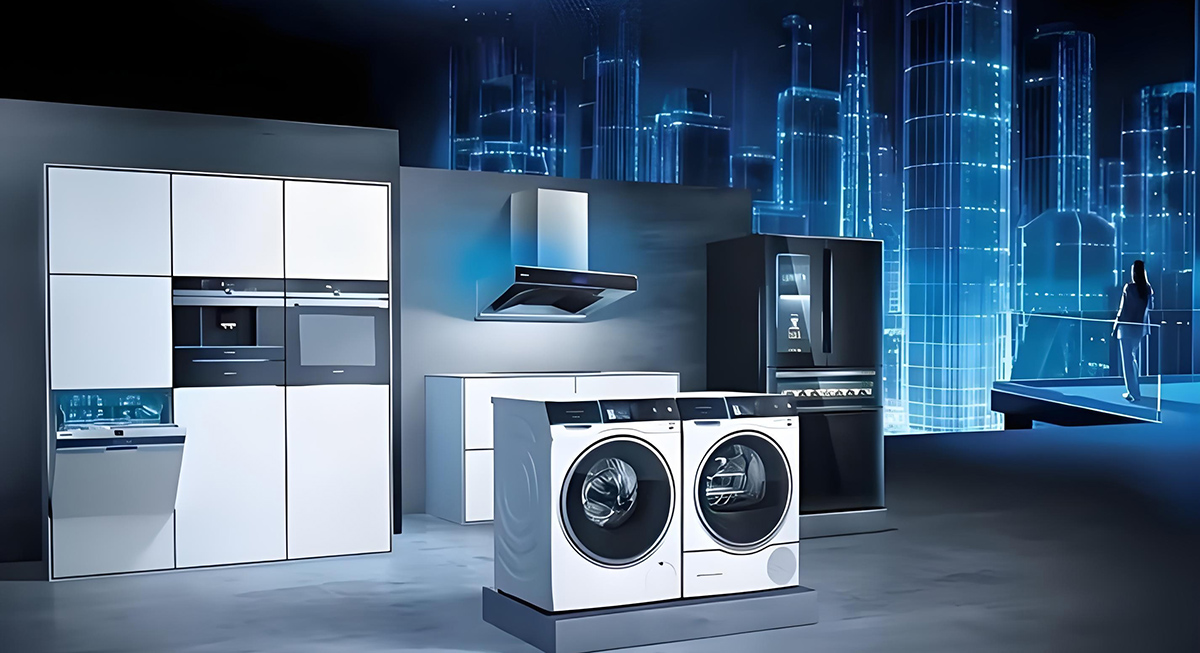
Critical insulation in household goods, avoiding internal heat build-up and preventing electrical short-circuit hazards.
Selecting the appropriate thermal barrier requires matching material characteristics with real-world thermal stress profiles, mechanical loads, and environmental factors. Our NanTong manufacturing facilities utilize automated testing protocols to guarantee consistent performance across all batches:
The core substrate determines the thermal limits and tensile strength of the barrier tape:
How the tape adheres determines its speed of deployment and removal cleanliness:
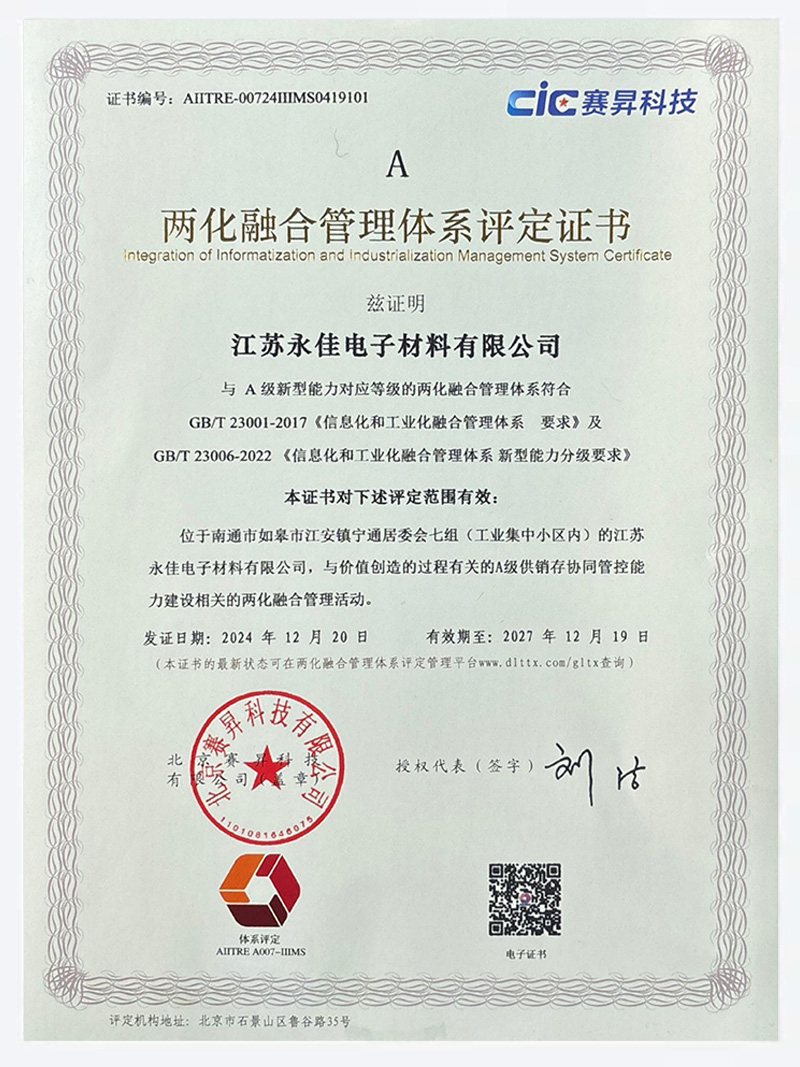
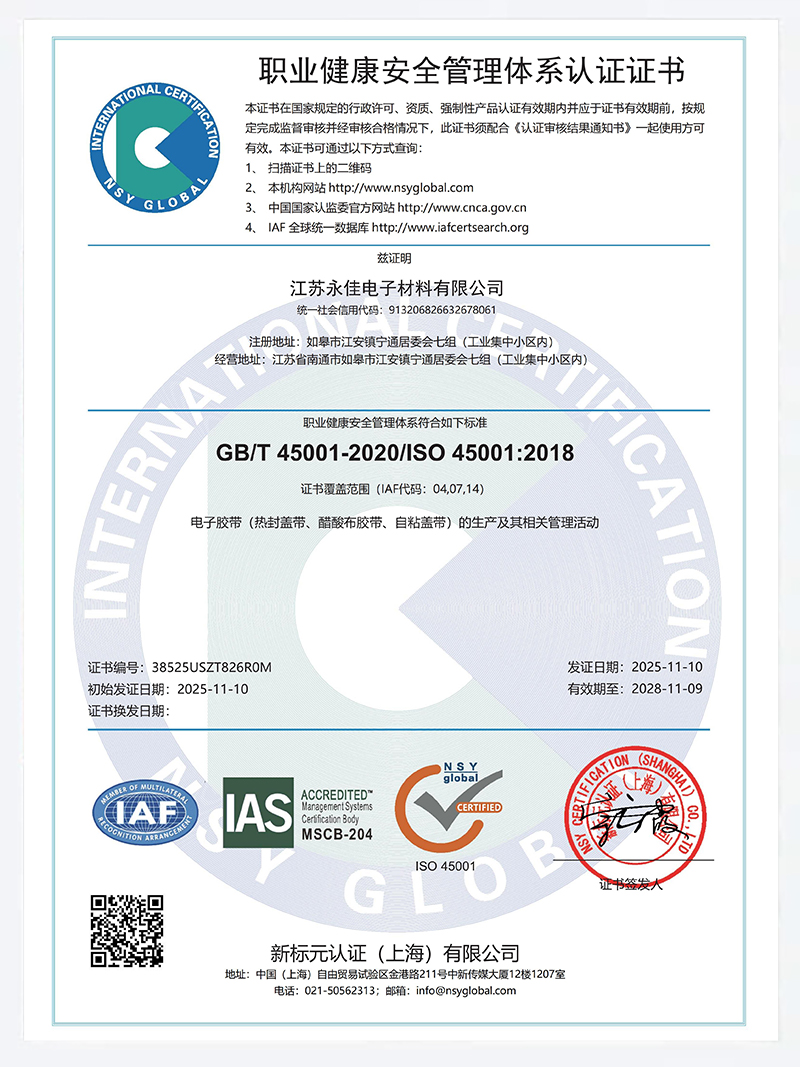
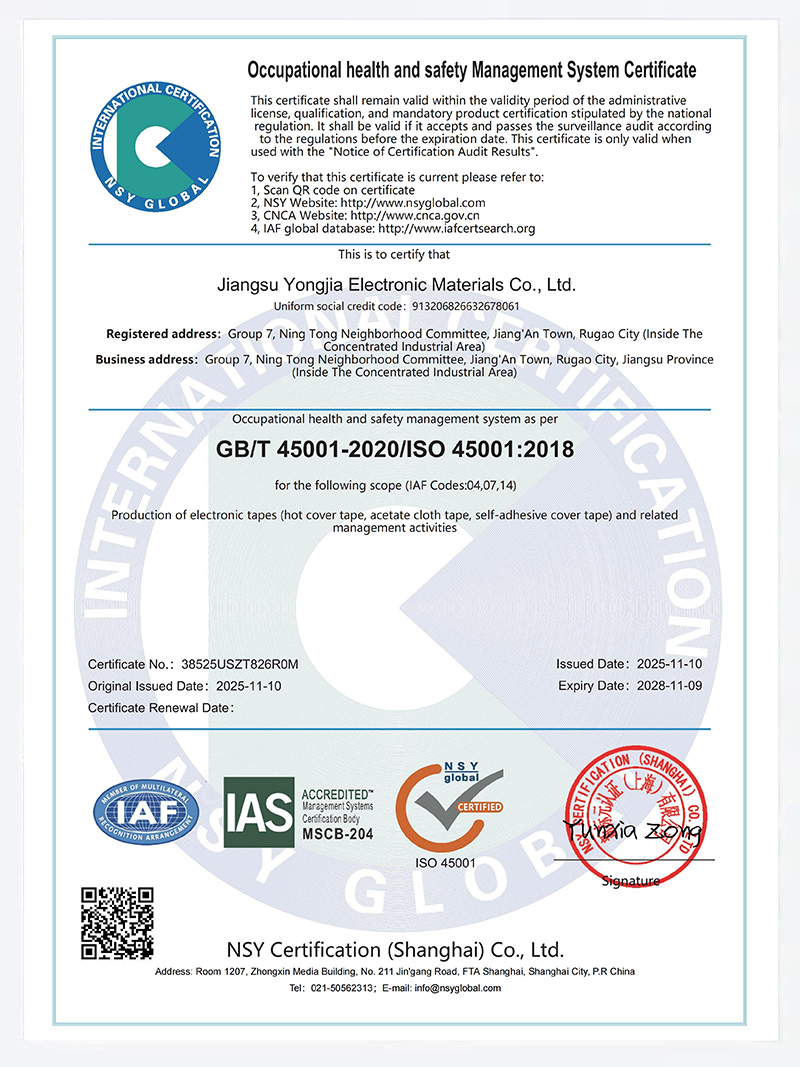
Fully audited production lines meeting ISO, RoHS, and UL safety standards.
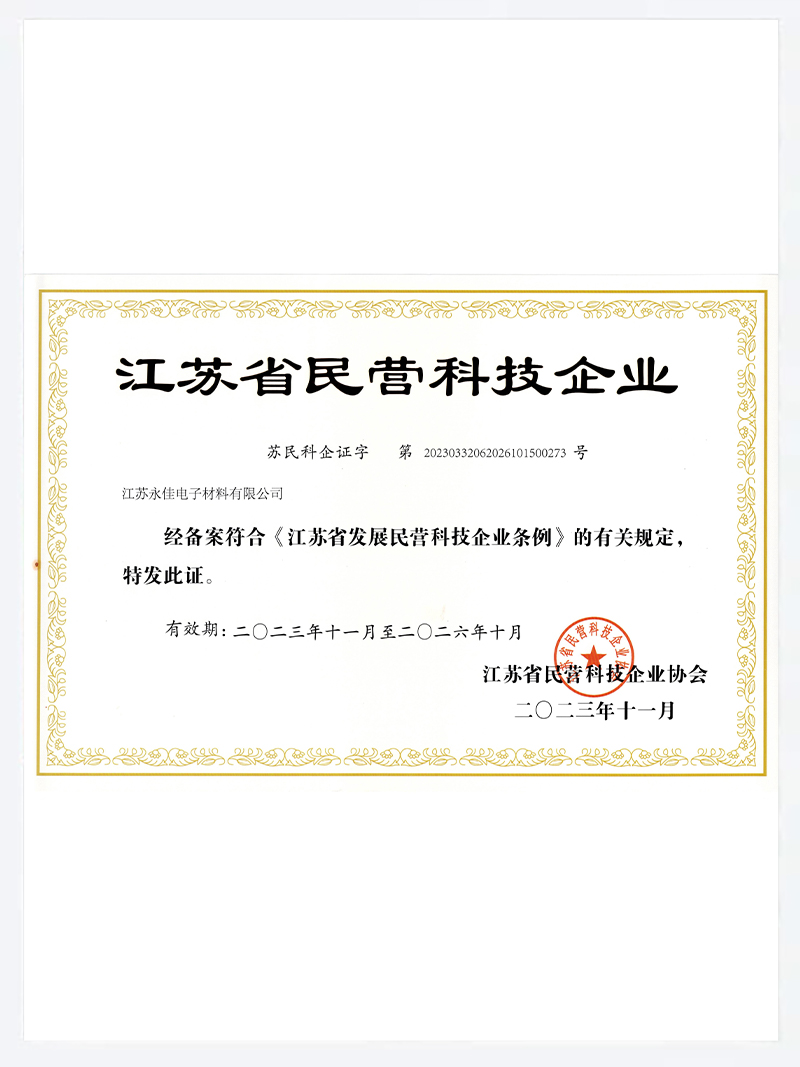
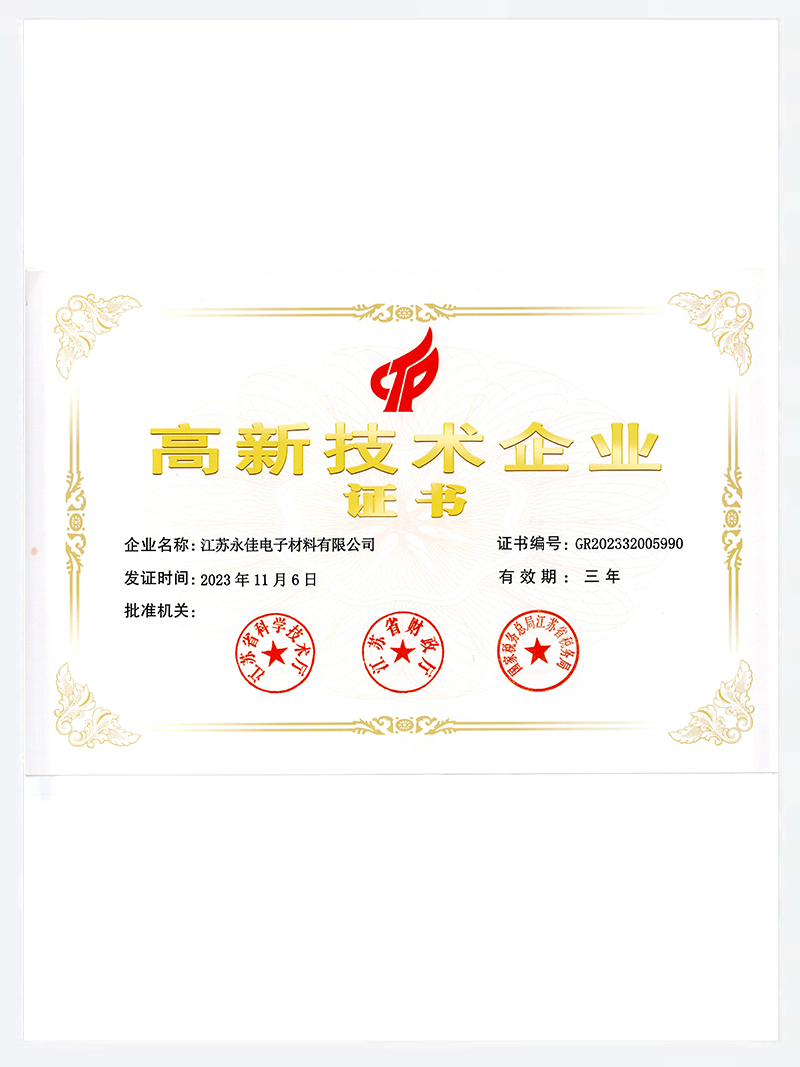
Global sourcing teams face multiple challenges when procuring electronic tapes and thermal insulating films. Standard off-the-shelf tapes often fall short in critical environments, leading to quality variations, component loss, or factory line shutdowns.
Whether you require specific roll lengths for automated splicing systems, custom width slitting (down to 1.5mm), or flame-retardant acetate cloth backing conforming to UL510 flammability tests, our technical engineers can design custom configurations tailored to your system requirements.
As micro-electronic packages become more dense and EV operating voltages rise (from 400V to 800V and above), the demand for high-performance dielectric barriers increases. The next generation of thermal insulating products from Jiangsu Yongjia focuses on three primary technology milestones:
Traditional fire retardants rely on brominated chemicals, which are increasingly restricted due to environmental impact. Our research team is focused on implementing advanced phosphorus-nitrogen formulations, ensuring UL 94 V-0 flame-retardant performance without compromising mechanical properties.
EV pack designs require thinner barrier layers to maximize energy density. Our R&D team is engineering ultra-thin PET and composite polyimide barrier tapes that offer breakdown insulation strengths above 10kV while remaining under 50 microns thick.
In aerospace and vacuum-sealed electronics, volatile organic compounds (VOCs) can outgas and condense onto optical surfaces or sensor lenses. We are developing low-outgassing cross-linked acrylics that keep volatile compounds well below standard automotive limits.
Direct answers regarding technical specifications, custom orders, and quality control.
For standard specifications of cover tapes and acetate cloth tapes, our typical manufacturing lead time is 7 to 10 working days. For custom widths, complex laminations, or custom die-cut parts, processing times range from 14 to 21 working days, depending on material specifications.
We utilize continuous online peel force monitoring during our coating runs, combined with offline testing on standardized carrier tape profiles. Every batch is evaluated under simulated aging conditions to ensure the adhesive seal remains reliable without turning brittle over time.
Yes, our flame-retardant acetate cloth tapes are formulated to meet international safety criteria, including UL 510 flame-retardant standards. They provide self-extinguishing properties, electrical isolation, and high dielectric strength under operating temperatures up to 130°C.
Absolutely. We offer universal cross-wound (spool) or pancake winding formats to suit different automation equipment styles. Spooled rolls can extend up to several thousand meters, reducing the frequency of roll changes on the factory floor.
Discover our recent progress, research findings, and market developments.

Against the backdrop of steady growth in the global cover tape market, capacity optimization and technological advancement have become core competencies...
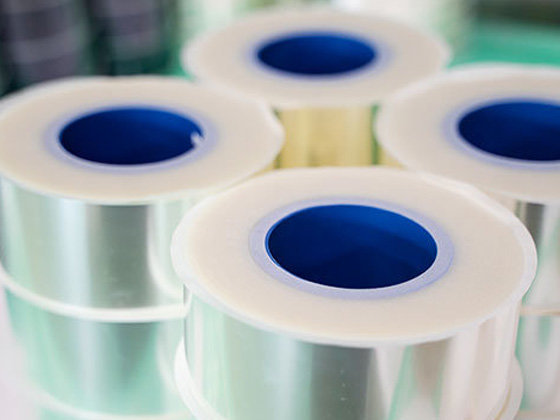
Driven by the miniaturization and integration of electronic components, the demand for customized packaging materials is becoming increasingly practical...
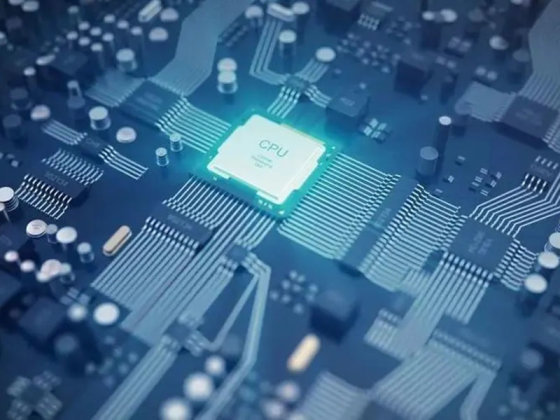
As China's semiconductor industry accelerates its domestic substitution process, technological breakthroughs in packaging materials have become crucial...
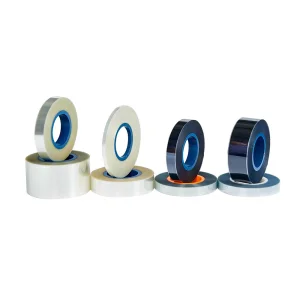
High-integrity industrial materials designed for mechanical stability and long-lasting thermal resistance.
 YONGJIA Electronic