Explore our industrial-grade carrier tapes, functional shielding films, and high-dielectric acetate tapes engineered for high-yield surface mount technology (SMT) and electrical assembly.
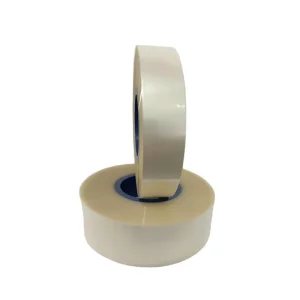
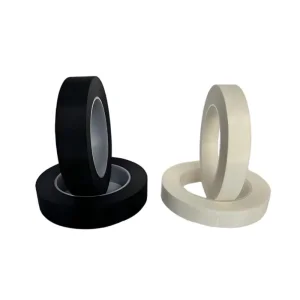
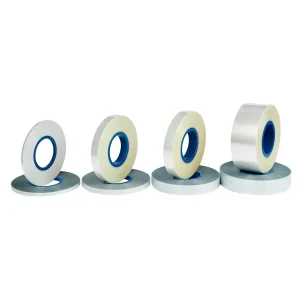
In the hyper-competitive electronic component manufacturing arena, the integrity of sub-millimeter silicon dies, high-density surface-mount devices (SMD), and intricate automotive microcontrollers depends fundamentally on the primary packaging that contains them. Carrier tape and cover tape systems are not simple passive packaging layers; they are engineered functional barriers. They protect highly sensitive integrated circuits (ICs) from electrostatic discharge (ESD), mechanical displacement, thermal oxidation, and particulate ingress during high-velocity transport and automated SMT pick-and-place processing.
Global technology companies and procurement officers face substantial risk when importing carrier tapes and protective materials. Minor deviations in cover tape seal strength, adhesive outgassing, or thickness tolerances can cause component migration, pocket sticking, or packaging breakdown. Ultimately, these issues lead to line disruptions and expensive chip-on-board yield losses. Navigating the world of electronics protection factories requires a deep look at raw material stability, chemical formulations, structural integrity under high shear forces, and strict compliance with international environmental directives.
Traditional carrier systems fail because of "peel force drift"—where the sealing strength between the carrier tape and cover tape increases over shelf storage, especially under hot or humid trans-oceanic transit. Standard products fluctuate between 0.1N and 1.5N. Jiangsu Yongjia's R&D laboratory has developed advanced molecular cross-linked adhesives that stabilize peel force values within a narrow band of 0.3N to 0.8N (measured at 165°–180° peel angle, 300mm/min speed), preventing detaping failures on the factory floor.
For Tier-1 EMS providers (Electronic Manufacturing Services), carrier tape performance is directly linked to line uptime. A single tape feed failure per hour reduces pick-and-place machine efficiency by up to 4.2%. Sourcing from ISO-certified, vertically integrated factories ensures raw material trace-ability and consistent tolerances across bulk production runs.
A granular look at the mechanical, thermal, and electrical performance benchmarks of key electronics protection materials used in high-volume industrial assembly.
| Material Class / Product Category | Base Polymer & Substrate | Tensile Strength (MPa) | Surface Resistivity (Ω/sq) | Thermal Operating Range | Typical Critical Application |
|---|---|---|---|---|---|
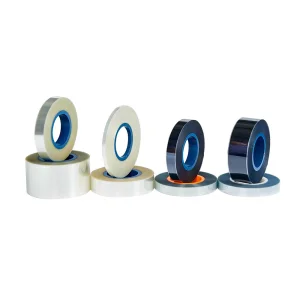
| Heat-Seal Cover Tape (HAA) | Polyester (PET) base + Heat activated adhesive layer | ≥ 140 MPa | 105 - 109 (Static Dissipative) | -40°C to 125°C | Passive component packaging, IC chips, active SMD components |
| Self-Adhesive Cover Tape (PSA) | Polyester (PET) + Pressure sensitive acrylic adhesive | ≥ 130 MPa | 106 - 1010 (Antistatic) | -20°C to 85°C | High-speed, heat-sensitive component taping cycles |
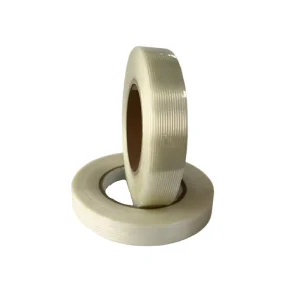
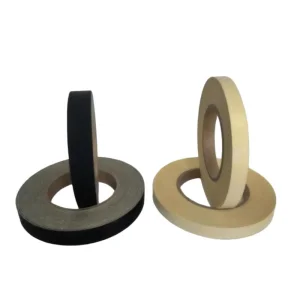
| Acetate Cloth Tape | Cellulose Acetate Fiber woven cloth + Acrylic/Rubber | ≥ 35 N/cm | Dielectric Breakdown: ≥ 3.0 kV | -10°C to 105°C (UL510 Rated) | Transformer coil wrapping, motor insulation, battery pack insulation |
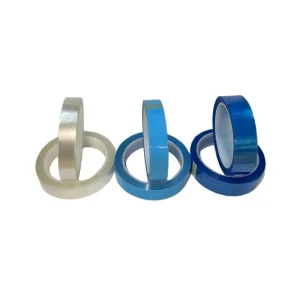
| Electrical Protection PET Tape | High-purity Polyester film + Silicone / Acrylic | ≥ 40 N/cm | Dielectric Breakdown: ≥ 5.0 kV | -40°C to 180°C | Li-ion battery electrode insulation, PCB wave soldering masking |
| High-Tensile Glass Fiber Tape | E-glass fiber reinforced matrix + Thermosetting rubber | ≥ 280 N/cm | Insulation resistance > 106 MΩ | -50°C to 155°C | Heavy-duty electrical motor winding bundling, structural wrapping |
Selecting the right cover tape or electrical protective wrap requires balancing high adhesion during storage with zero-residue clean peeling during high-speed automated assembly. Heat-Seal Cover Tapes rely on precise thermal activation (commonly between 165°C and 210°C). Under heat and pressure, the adhesive melts slightly to anchor itself to the polystyrene or polycarbonate carrier tape. This bond is strong, but it is formulated to separate cleanly at the interface during SMT detaping.
Self-Adhesive (PSA) Cover Tapes, on the other hand, use high-tack, low-migration acrylics that do not require external heat. This is crucial for packaging heat-sensitive devices, such as micro-LEDs or bio-sensors. In electrical insulation tapes, like Flame-Retardant Acetate Cloth Tape, the adhesive must resist degradation from solvents and transformer oils. It must also have a low volatile organic compound (VOC) profile to prevent corrosion on copper coil wires over long lifecycles.
Established in June 2007, Jiangsu Yongjia Electronic Materials Co., Ltd. has spent over 18 years building a reputation for manufacturing excellence in functional tape and carrier tape systems. Located in Nantong, Jiangsu Province—a major hub for high-precision manufacturing—the company operates a modern facility covering 16,000 square meters, with a building area of 9,000 square meters.
Yongjia combines advanced research and development with raw material processing, high-speed automated coating, precision slitting, and strict quality control. This vertical integration allows us to customize width, thickness, peel strength, and electrical properties to meet our global clients' exact requirements. Our production cleanrooms prevent contamination, ensuring that every meter of cover tape, acetate cloth tape, and PET insulation film complies with the micro-contamination limits required by the electronics industry.
Navigating the global procurement landscape for electronics components requires a partner that blends cost-efficiency with high-end technology and strict compliance. Jiangsu Yongjia's location in China’s East Coast industrial corridor provides a unique combination of raw material proximity, deep engineering talent pools, and logistics connections. This integration allows us to offer shorter lead times and higher supply chain reliability compared to other global sources.
At our Nantong factory, we manage the entire value chain internally. By direct-coating raw polyester films and compounding our own specialty adhesives, we eliminate the markups of mid-level converters. This structural cost advantage is directly passed on to our wholesale partners. Furthermore, our flexible manufacturing system allows us to run custom slitting batches and adjust tape dimensions quickly, helping OEMs optimize their inventory holding costs.
Our products are engineered for markets with demanding regulatory standards, including the EU, North America, and Japan. Every batch of acetate cloth tape, PET shielding tape, and carrier cover film undergoes rigorous screening by accredited laboratories. We verify complete compliance with RoHS (Restriction of Hazardous Substances), REACH (Registration, Evaluation, Authorization and Restriction of Chemicals), and Halogen-Free requirements, ensuring trouble-free integration into consumer and automotive electronics worldwide.
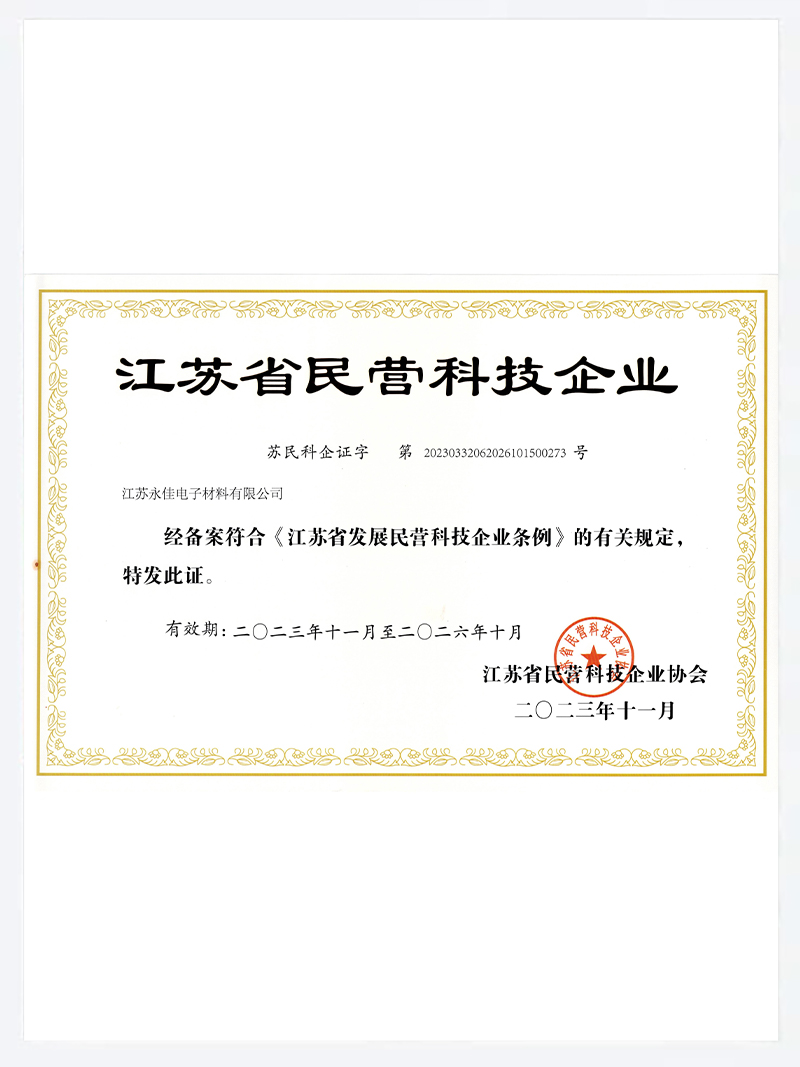
We maintain an advanced quality management system that monitors every stage of production, from raw material inspection to final packaging checks. We invite you to view our verified quality certificates.
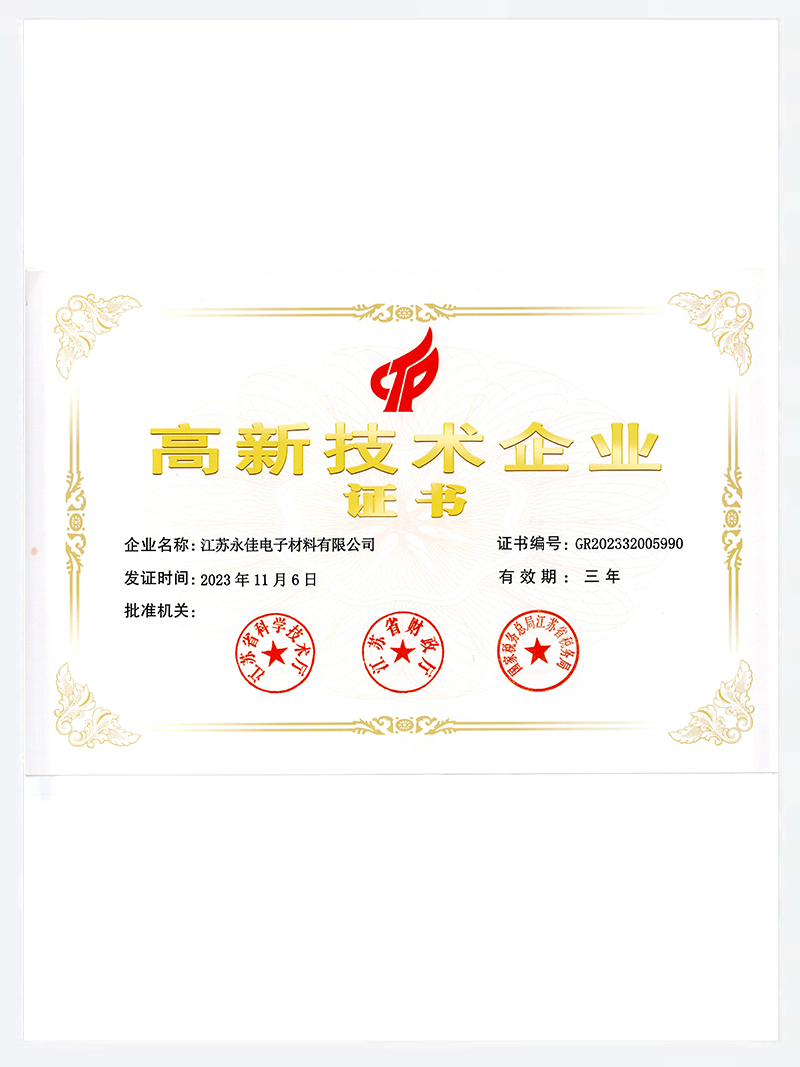
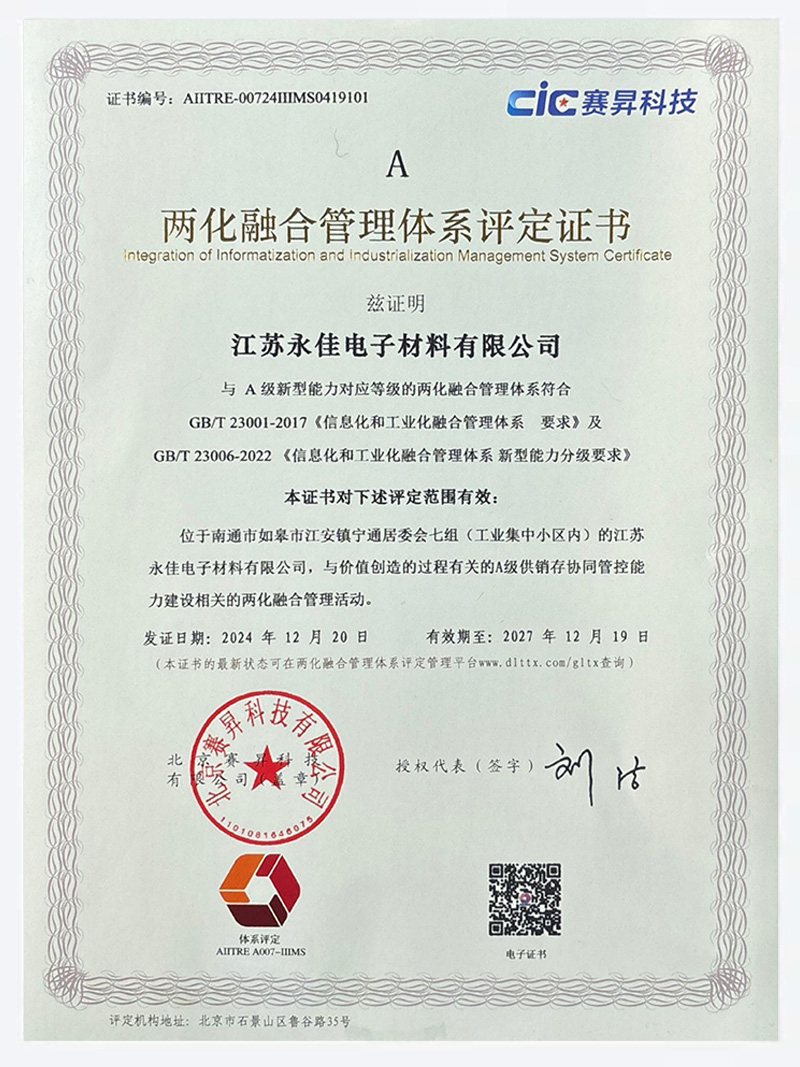
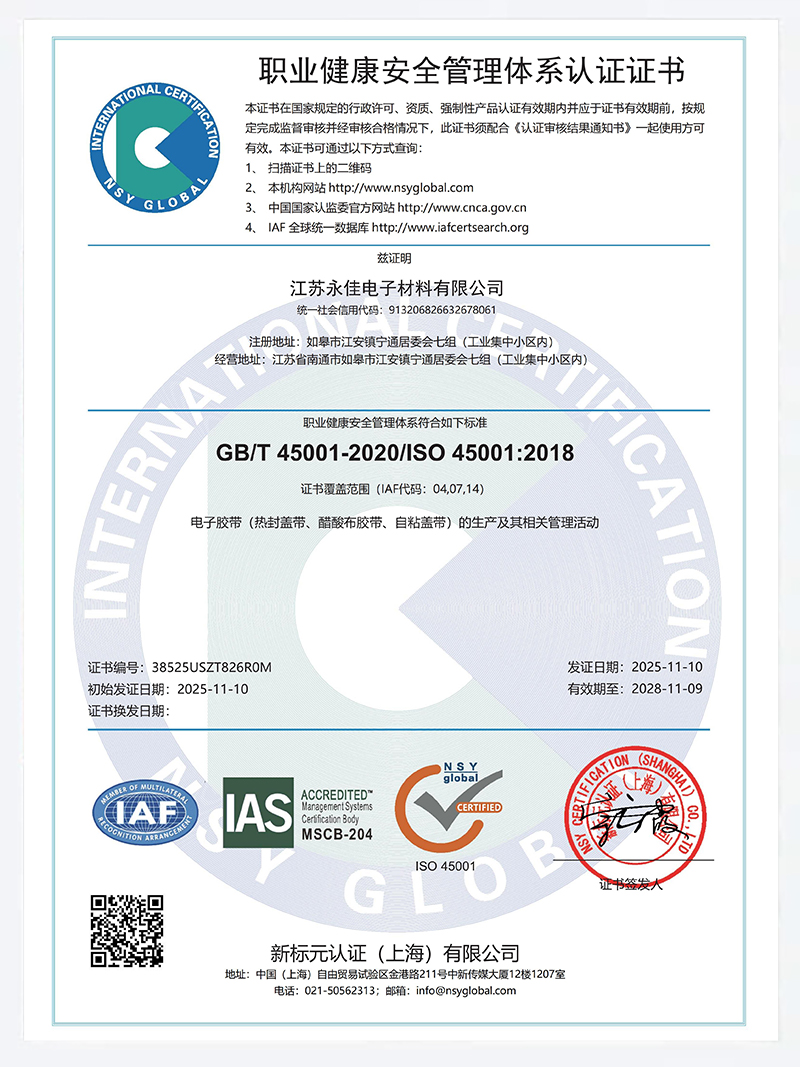
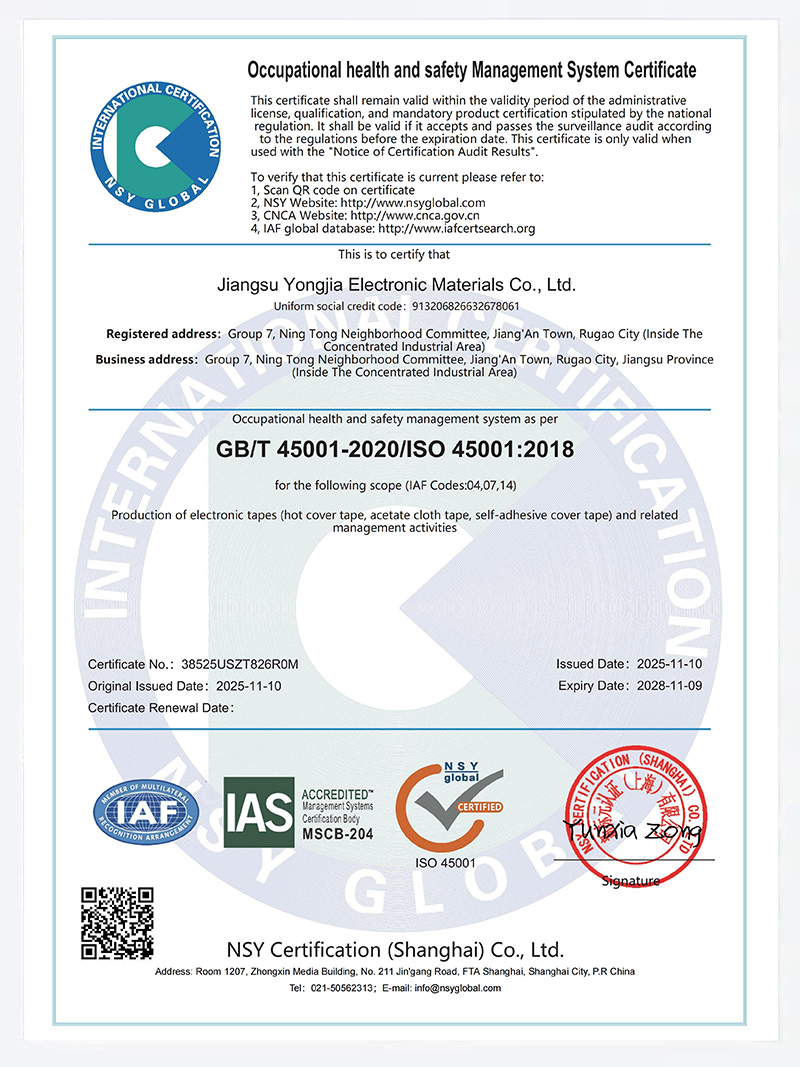
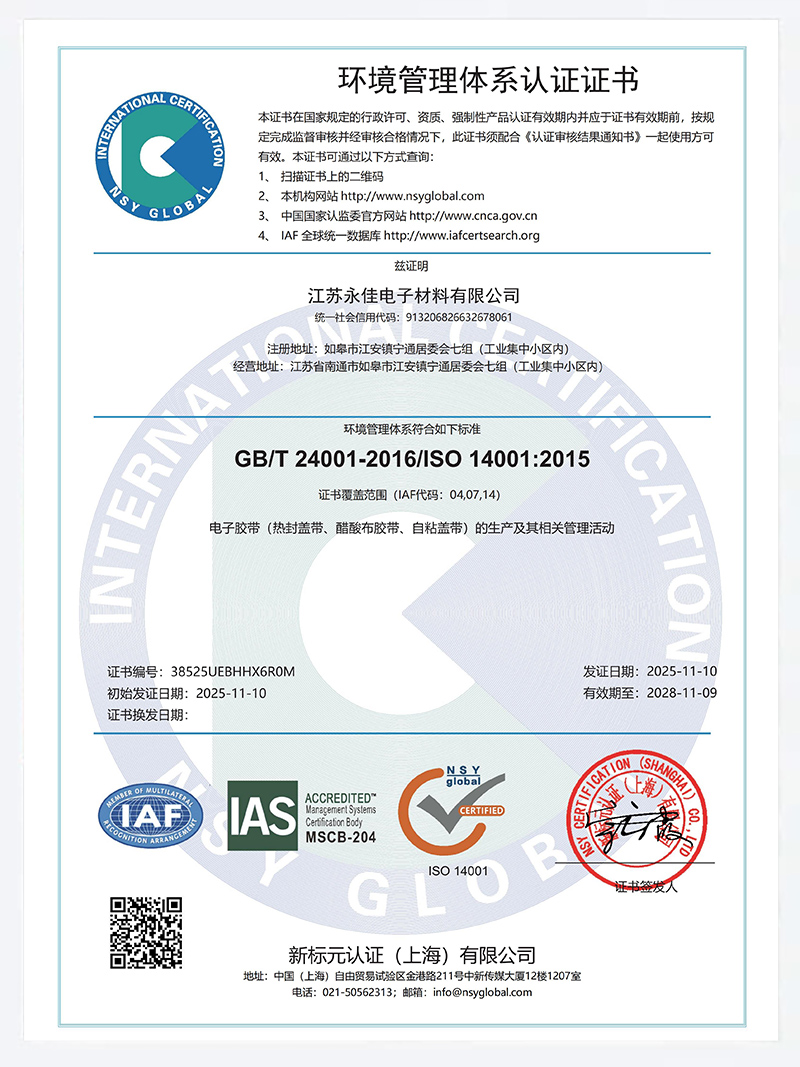
From automotive engine compartments to high-speed semiconductor testing lines, our materials are engineered for maximum reliability in challenging operational environments.

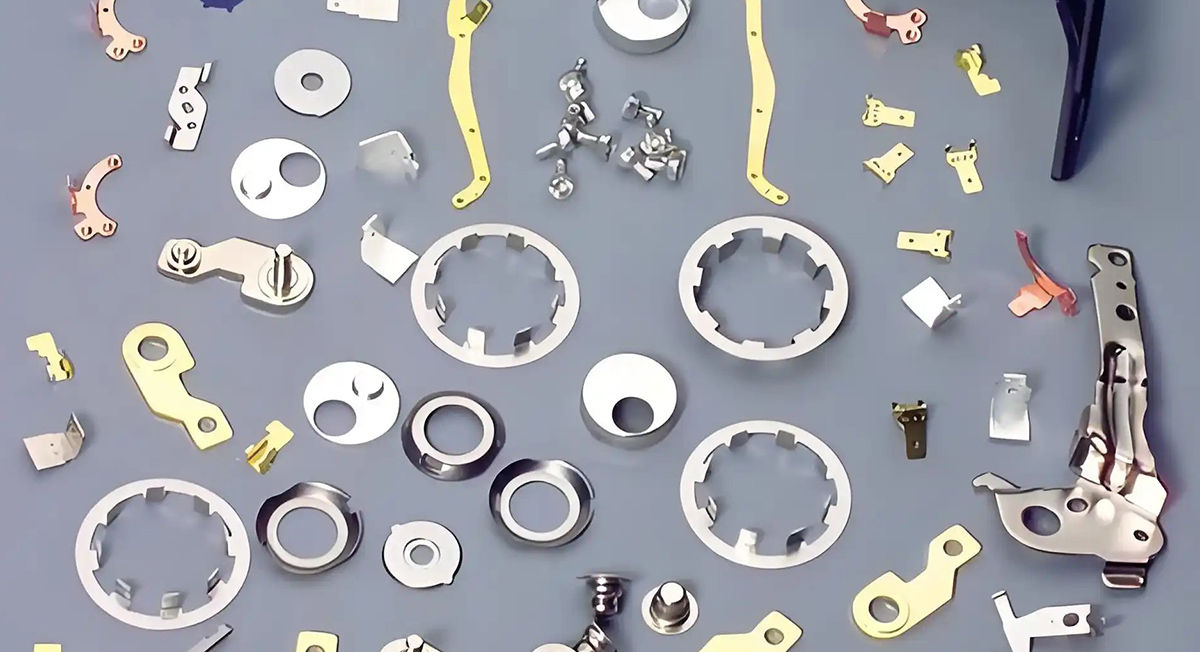


In high-speed semiconductor packaging lines, the rapid peeling of cover tape from its plastic carrier can generate significant static voltages. Known as triboelectric charging, this phenomenon can easily exceed 500V, damaging sensitive gate structures on microchips. Working with a leading global microcontroller manufacturer, Jiangsu Yongjia's engineering team addressed this issue by replacing standard films with our double-sided antistatic heat-seal cover tape.
By coating both the outer polyester layer and the inner heat-activated adhesive with a permanent, humidity-independent conductive polymer, we reduced peak peeling voltages to under 50V. This upgrade significantly improved SMT line yields and reduced ESD-related component failures. It also demonstrated the value of working with a factory that can tailor electrical characteristics to specific application needs.
Get authoritative answers to the technical, operational, and sourcing questions commonly raised by quality managers and procurement teams.
The differences lie in their adhesive activation mechanisms, SMT equipment compatibility, and shelf life stability:
We manage peel force stability through precise formulation control and rigorous, automated testing protocols:
Our raw material formulation controls the cross-linking density of our heat-activated adhesive polymers, which limits molecular migration after bonding. During production, we continuously monitor the coating thickness using online beta-gauge scanners to ensure an even distribution. Every production run undergoes accelerated aging tests at our Nantong testing lab (stored at 60°C and 80% relative humidity for 72 hours). After aging, we test the peel force at a standard 165° to 180° angle on high-precision tensile testers to confirm it remains within the industry-standard range of 0.3N to 0.8N.
Acetate cloth tape provides a unique balance of mechanical strength, electrical properties, and process compatibility:
Its woven cellulose acetate structure absorbs insulating varnishes and resins more effectively than solid film tapes, creating a robust, unified barrier against moisture and electrical breakdown. It offers high dielectric breakdown strength (typically ≥ 3.0 kV) and carries a UL510 flame retardancy rating. Additionally, the tape is highly conformable, allowing it to wrap smoothly over sharp winding joints without tearing. Its low corrosive residue profile prevents oxidation on delicate copper wires, which extends the operational life of motors and transformers.
Compliance is verified through third-party analysis and strict raw material trace-ability:
We source all raw chemical inputs from certified, traceable suppliers who provide current chemical safety datasheets (SDS). Each batch of finished material is sampled and sent to accredited labs, such as SGS or TÜV, for quantitative chemical testing. These labs screen for restricted heavy metals, phthalates, PBBs/PBDEs, and halogens (Chlorine and Bromine). We maintain these certification reports on file, allowing our wholesale customers to download and review them for their own quality and environmental compliance audits.
We can custom-slit tapes to match all standard and non-standard EIA carrier tape formats:
Our high-speed slitting lines can produce cover tape widths starting from 5.3mm (for 8mm carrier tapes) up to 100mm or more, with tight dimensional tolerances of ±0.05 mm. Tapes can be wound on standard 2-inch or 3-inch plastic cores, with length options ranging from 300 meters to 10,000-meter cross-wound spool packages. These long run options help reduce downtime for reel changes on automated packaging lines.
Keep track of technical updates, market developments, and product innovations emerging from our R&D center.

Against the backdrop of steady growth in the global cover tape market, capacity optimization and technological advancement have become core drivers for growth. Jiangsu Yongjia is investing in new high-speed coating lines to meet the rising global demand for ESD-safe packaging films...
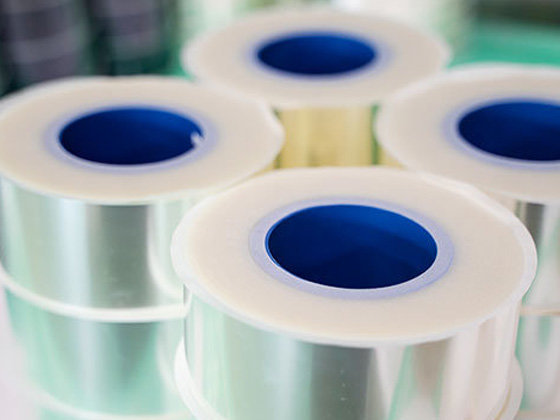
Driven by the miniaturization and integration of electronic components, the demand for customized packaging materials is becoming increasingly diverse. Our new line of pressure-sensitive adhesive tapes provides clean peeling and zero residue, helping OEMs protect sensitive micro-components...
As China's semiconductor packaging sector adopts advanced technical packaging standards, the demand for high-reliability packaging films has increased. Jiangsu Yongjia's high-temperature heat-seal cover tapes are designed to deliver stable peeling profiles under high-speed assembly line conditions...
Review our core electronic protection products. Contact Jiangsu Yongjia for technical datasheets, sample rolls, or factory pricing for wholesale orders.
 YONGJIA Electronic