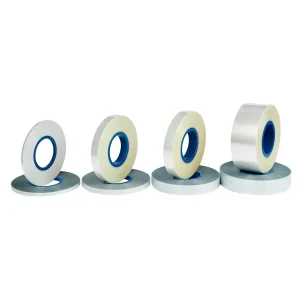
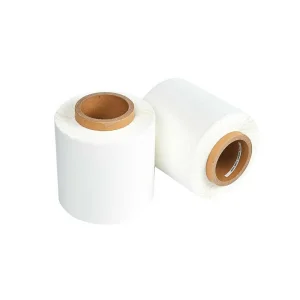
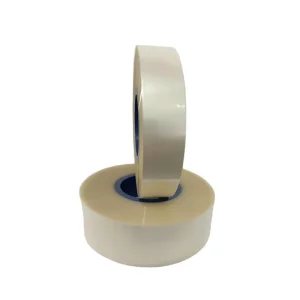
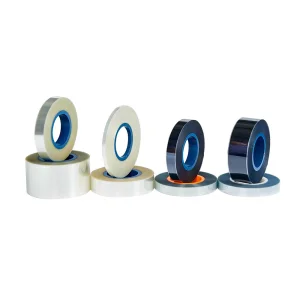
In the contemporary landscape of global industrial manufacturing, the term "Cover Rubber" has evolved significantly, particularly within the electronics and semiconductor packaging sectors. Often referred to as Cover Tape in surface mount technology (SMT), these functional materials are the unsung heroes of automated assembly lines. As a premier Wholesale Cover Rubber Supplier & Factory, Jiangsu Yongjia Electronic Materials Co., Ltd. sits at the intersection of precision engineering and material science.
The global demand for high-quality cover rubber and sealing tapes is driven by the explosive growth of consumer electronics, automotive electronics (especially New Energy Vehicles), and the Internet of Things (IoT). Today, a cover rubber is no longer just a protective layer; it is a sophisticated functional material required to have precise peel force, anti-static properties (ESD), and exceptional thermal stability.
International procurement trends indicate that tier-one manufacturers in the USA, Germany, and Japan are increasingly seeking reliable factory partners in China who can provide not just products, but complete material solutions that adhere to SEMI standards and RoHS environmental regulations. As a dedicated Cover Rubber Factory, we provide the scalability and technical consistency required by global supply chains.
Established in June 2007, Jiangsu Yongjia Electronic Materials Co., Ltd. has spent over 18 years perfecting the art of electronic material manufacturing. Located in the industrial hub of Nantong, our 16,000-square-meter facility is equipped with state-of-the-art production lines and advanced R&D laboratories.
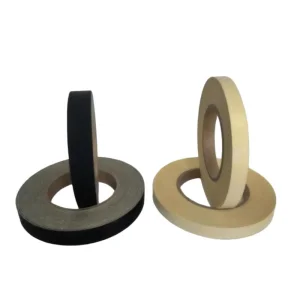
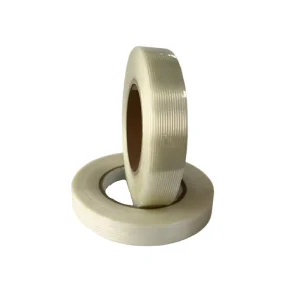
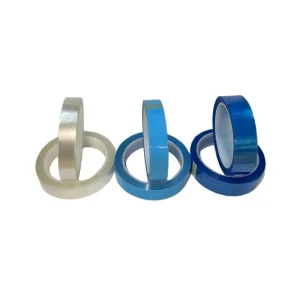
We are a comprehensive service provider focusing on the R&D, manufacturing, and sales of high-performance tapes. Our expertise spans across heat-seal cover tapes, self-adhesive solutions, and specialized glass fiber and PET tapes. We take pride in our ability to serve the global market with "China Speed" and "International Quality."
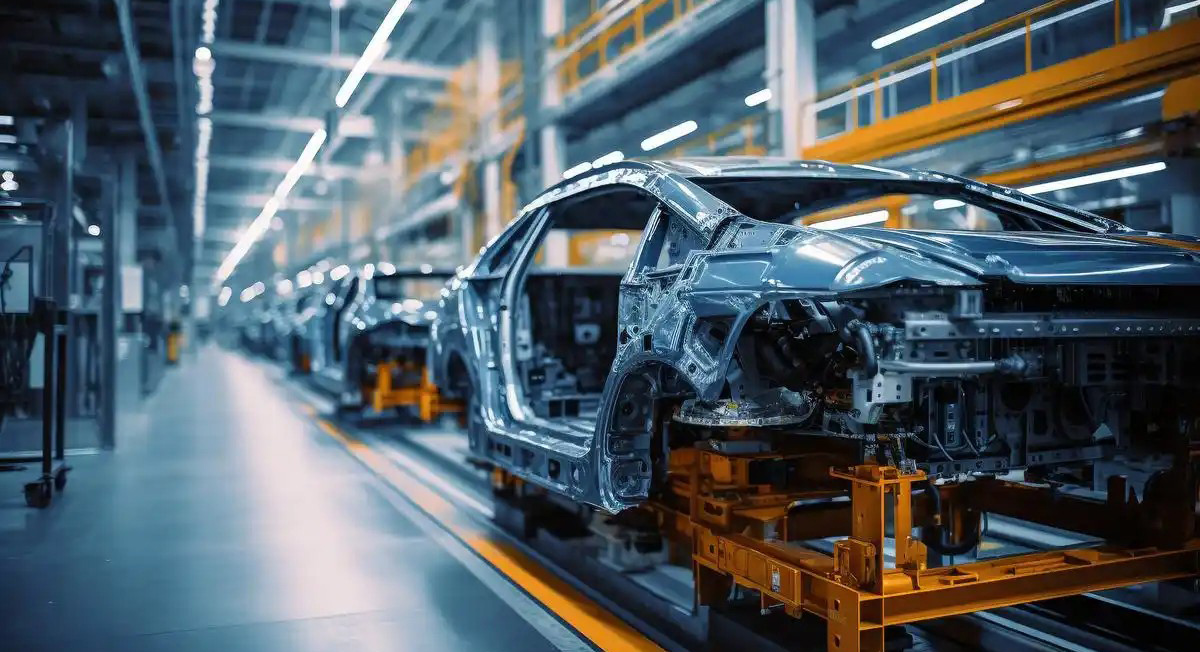
Providing high-reliability sealing for sensor components and ECUs.
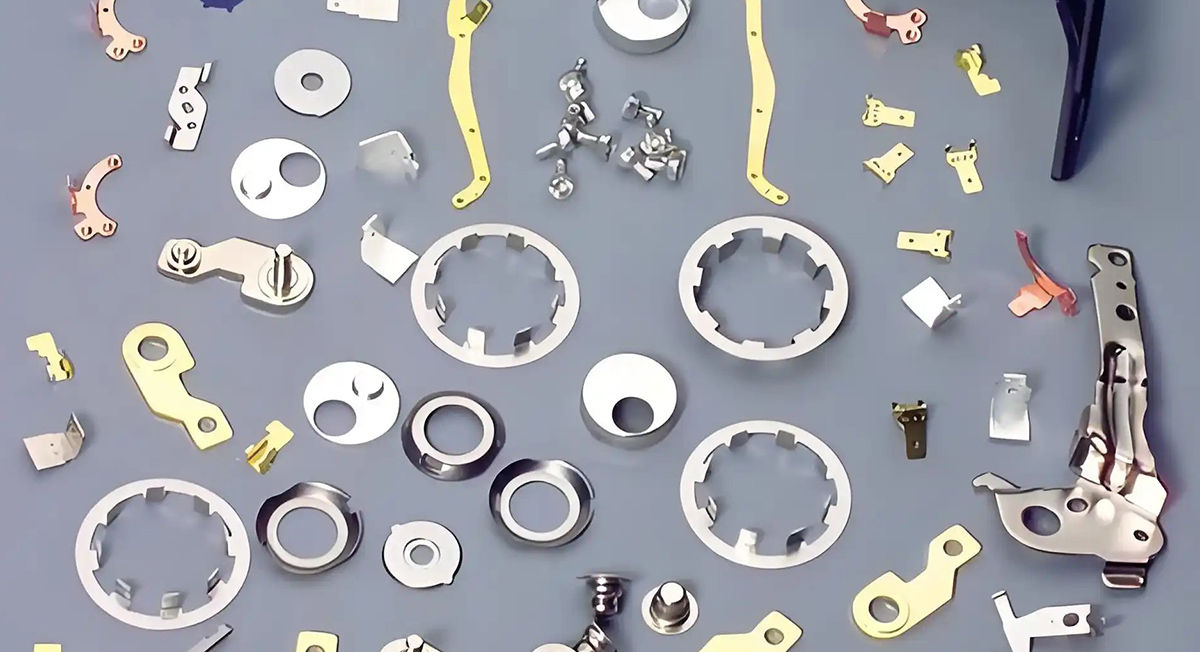
Protecting delicate metal parts during high-speed production cycles.

Essential for carrier tape packaging in high-speed SMT pick-and-place lines.
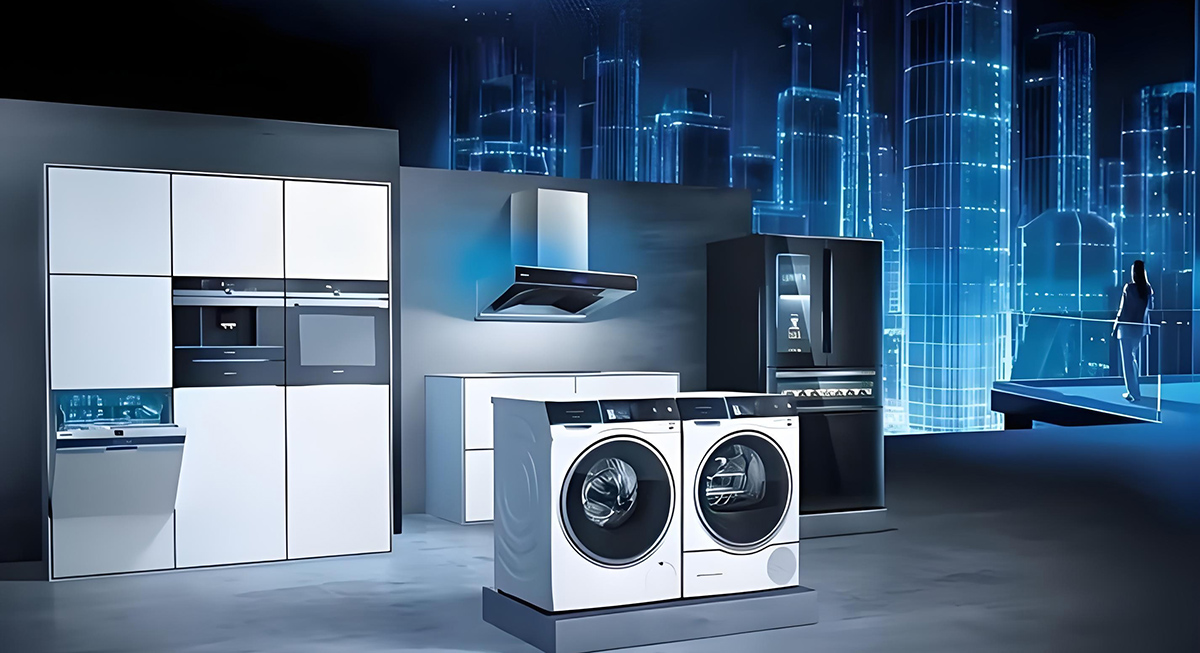
High-temperature insulation and structural bonding for modern appliances.
As the "World's Factory," China offers unparalleled advantages in the electronic materials sector. Jiangsu Yongjia exemplifies these benefits by combining cost-efficiency with high-end technological innovation.
Our factory utilizes precision coating equipment and rigorous testing protocols to ensure that every roll of cover tape has consistent peel strength. This is critical for preventing "tombstoning" or component loss in high-speed assembly.
We understand that the industry is moving towards miniaturized components (like 01005 chips). Our team develops enhanced high-temperature series and self-adhesive tapes specifically designed for these microscopic requirements.
Located near major ports, we offer streamlined shipping to North America, Europe, and Southeast Asia. Our after-sales service ensures that global clients receive technical support regardless of time zones.
The industry is currently moving towards Eco-friendly Materials and Anti-Static (ESD) Optimization. Modern cover rubber must not only protect the component but also prevent static discharge that could fry sensitive silicon chips. Furthermore, the trend of Sustainable Packaging is forcing suppliers to innovate with recyclable PET materials and halogen-free adhesives.
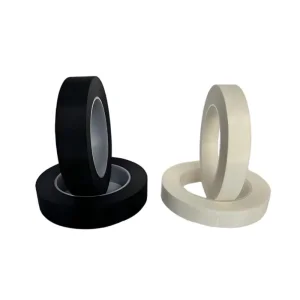
At Jiangsu Yongjia, we are staying ahead of the curve by integrating these trends into our production lines. Our flame-retardant acetate cloth tapes and high-temperature heat seal tapes are designed to meet the most stringent safety standards in the aerospace and medical device industries.
Against the backdrop of steady growth in the global market, capacity optimization and technological advancement have become core competencies. We continue to invest in automated coating technology.
Driven by miniaturization, the demand for customized packaging materials is becoming more prevalent in 2025.
Technological breakthroughs in packaging materials are key to the domestic substitution process in the chip industry.
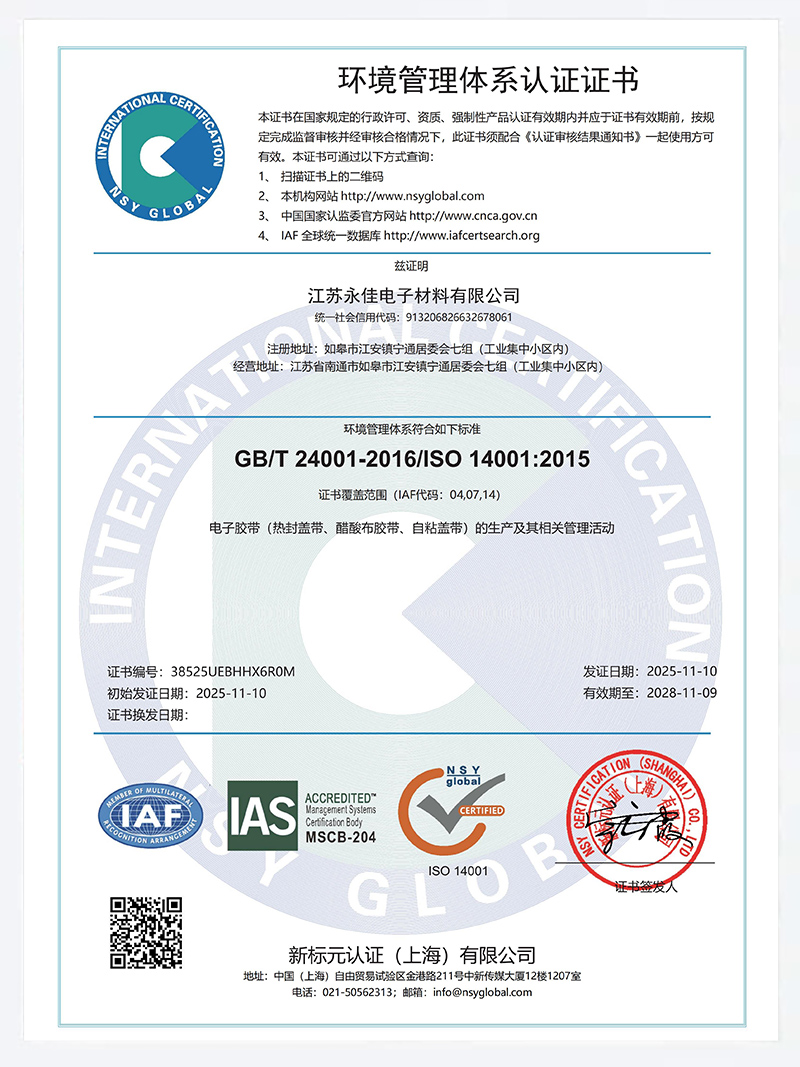
 YONGJIA Electronic