Acetate Cloth Tape remains a practical choice for electrical insulation, coil wrapping, and neat harness work in 2026. Its woven acetate backing feels flexible in the hand, while the adhesive must hold firmly without leaving a messy edge. A technician wrapping a small transformer may value clean tearing; a production line may care more about consistent unwind and reliable adhesion. Those details change which tape performs best.
The main types differ by adhesive system, thickness, temperature rating, and intended use. Some prioritize smooth application on compact coils. Others provide stronger bonding or better resistance to heat and handling. There is no single “best” roll for every job. Check the product’s technical data sheet, test it on the actual surface, and consider how it behaves after winding or aging. A small trial can reveal what a catalog description misses.
A named expert quotation cannot be verified from the material provided, so I won’t invent one. That matters: tape selection depends on documented performance, not confident-sounding claims. Even a promising option may disappoint if the surface is dusty, the winding tension varies, or the working temperature exceeds its rating. The following outline compares the leading Acetate Cloth Tape types and the practical trade-offs behind each.
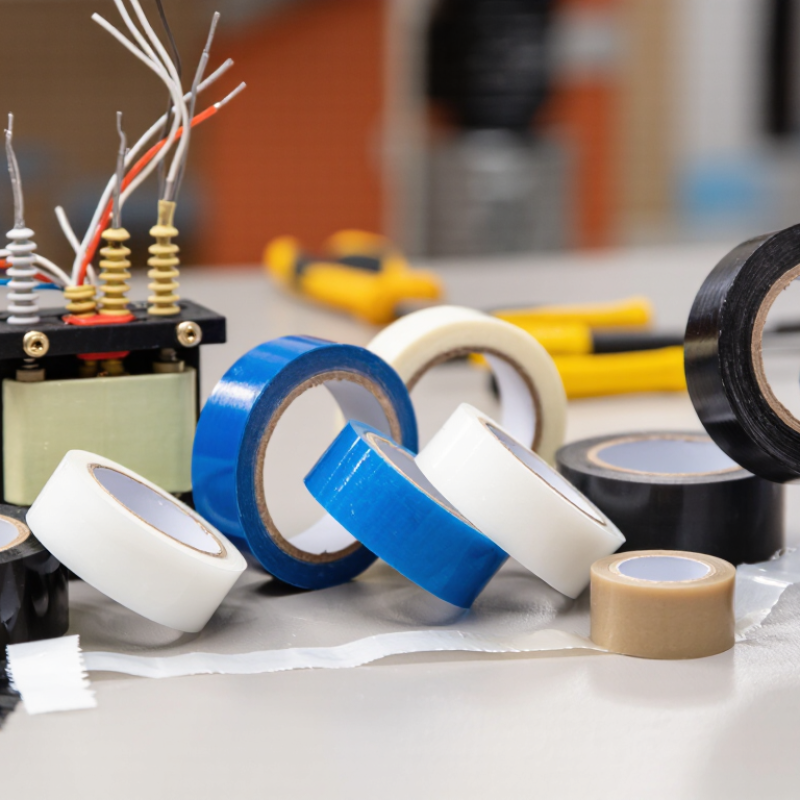
Acetate Cloth Tape Basics: Woven Backing, Adhesive Layer, and Key Properties
What Are the Top Types of Acetate Cloth Tape in 2026?
Acetate cloth tape combines a woven fabric backing with a pressure-sensitive adhesive. The backing is often made from cellulose acetate yarns. Its weave gives the tape flexibility and a soft, fabric-like feel. You can see the threads when you hold a strip against the light. The adhesive coats one side and bonds when pressed onto a clean surface. Formulations differ, so adhesion, thickness, and temperature tolerance depend on the product specification.
Tips: Match the tape to the job, not just its name. Check the technical data sheet for backing weight, adhesive type, and stated service temperature. Test a small piece on the actual surface. Dust, oil, and rough edges can reduce contact. Small details matter.
Acetate cloth tape is commonly selected for bundling, insulating, and protecting components where a conformable backing is useful. It can wrap around corners more neatly than some stiff films. Still, “acetate” alone does not guarantee a particular electrical or heat rating. I would not assume every grade behaves the same. For demanding applications, verify performance with the supplier’s test data and your own conditions. Adhesive residue may also vary after prolonged heat or aging. A short trial can reveal issues a product description may miss.
Rubber-Adhesive Acetate Tape: Tack and Conformability for Coil Insulation
Rubber-adhesive acetate cloth tape is useful when coil insulation needs to bend around corners without lifting. Its flexible fabric backing follows curved windings and fits snugly between closely spaced turns. The rubber adhesive offers quick tack, helping the tape stay in place during wrapping and assembly. That matters. A loose edge can catch on a neighboring layer or create an uneven finish.
On a small transformer coil, an installer might press the tape down with a thumb as it crosses a rounded edge. The cloth can conform without feeling as stiff as some film-backed tapes. However, tack alone does not guarantee reliable insulation. Surface cleanliness, winding tension, overlap, and operating temperature all affect performance. Check the tape’s technical data against the coil’s conditions, especially heat exposure and electrical requirements. Not every setup is identical. A tape that wraps neatly by hand may still need testing in the actual winding process. That extra check can reveal edge lift, adhesive transfer, or excessive bulk before production scales up.
Rubber-Adhesive Acetate Tape: Coil-Wrap Coverage vs. Overlap
Estimated tape passes needed to cover a 100 mm axial span using 19 mm-wide tape. Values are calculated by dividing the span by the effective advance per pass (tape width × [1 − overlap]) and rounding up. They exclude anchoring and end-wrap allowances; actual application depends on coil geometry and technique.
Acrylic-Adhesive Acetate Tape: Bonding Options for Electrical Harnesses
Acrylic-adhesive acetate cloth tape can secure and bundle electrical harnesses where a flexible wrap is useful. Its woven backing bends around wire bundles and small connectors without feeling like a rigid film. The adhesive bonds to many clean, dry surfaces, but performance depends on the specific formulation. Small details matter.
Harness layouts call for different bonding options. A higher initial tack can help the tape stay in place during wrapping, while a more balanced adhesive may suit assemblies exposed to changing temperatures. Some products are designed for easier removal; others prioritize a lasting bond. Check the product’s technical data for temperature limits, electrical properties, and recommended surfaces. Do not assume every acetate tape performs the same way.
Before production, test a short wrap on the actual wire insulation and connector materials. Press the tape down firmly, then inspect its edges after storage and temperature cycling. Dust, oil, tight bends, and uneven tension can weaken the bond or cause lifting. A small test takes time. Skipping it can take more. Choose tape width and thickness to fit the bundle without covering service labels or placing excess strain on branches.
Compare Tape Specs Using ASTM D1000: Thickness, Adhesion, Tensile, and Dielectric Tests
Acetate cloth tape grades vary by backing weight, adhesive system, and intended temperature range. Common types include general-purpose electrical tape, heat-resistant grades for coil wrapping, and conformable grades for bundling wires. Check the product’s temperature rating and adhesive compatibility; a strong peel result on steel does not guarantee clean removal from varnished wire. Small details matter.
ASTM D1000 offers methods for comparing pressure-sensitive electrical tapes. Review thickness, adhesion, tensile strength, elongation, and dielectric breakdown results, using the same test method and conditions for every candidate. Thickness can affect insulation and winding fit, while adhesion-to-steel values describe a specific test surface, not every real assembly. Tensile results indicate how the tape withstands pulling; elongation helps show how readily it stretches around a corner. Dielectric results depend on specimen preparation and test conditions, so compare like with like. Ask for the test report, including units, conditioning, and sample details. A tidy table helps. But figures alone can mislead: confirm performance on the actual wire, coil, or surface, especially when heat or aging is involved.
What Are the Top Types of Acetate Cloth Tape in 2026? — Compare Tape Specs Using ASTM D1000: Thickness, Adhesion, Tensile, and Dielectric Tests
| Tape Type |
Typical Construction / Use |
Thickness
(mm) |
Adhesion to Steel
(N/cm) |
Tensile Strength
(N/cm) |
Dielectric Breakdown
(kV, typical test result) |
Selection Notes |
| General-purpose acetate cloth |
Flexible acetate fabric backing with pressure-sensitive adhesive; bundling, wrapping, and light-duty electrical assembly. |
0.17–0.22 |
2.0–4.0 |
60–100 |
1.5–3.0 |
A balanced option for conformable wrapping where moderate mechanical and electrical performance is sufficient. |
| Electrical insulation grade |
Acetate cloth tape formulated for coil, winding, and component insulation applications. |
0.18–0.25 |
2.5–5.0 |
70–110 |
2.0–4.0 |
Compare breakdown results at the same specimen thickness and conditioning; application voltage and insulation design still require engineering review. |
| High-temperature grade |
Heat-resistant adhesive and cloth construction for electrical assemblies exposed to elevated operating temperatures. |
0.18–0.25 |
2.0–4.5 |
60–105 |
1.5–3.5 |
Temperature endurance is not established by these four measurements alone; check the supplier’s stated temperature rating and aging data. |
| Flame-retardant electrical grade |
Acetate cloth backing and adhesive selected for applications requiring flame-retardant characteristics. |
0.19–0.26 |
2.0–4.5 |
65–110 |
2.0–4.0 |
Flame performance requires a separate applicable flammability test; dielectric breakdown does not demonstrate flame resistance. |
| Splicing and harness-wrapping grade |
Conformable cloth tape for securing wire bundles, protecting splices, and wrapping irregular shapes. |
0.16–0.22 |
2.0–4.0 |
55–95 |
1.5–3.0 |
Prioritizes flexibility and handling; verify adhesion, unwind behavior, and compatibility with the wire insulation in the intended assembly. |
Data note: The figures are indicative comparison ranges for common acetate cloth tape constructions, not guaranteed specifications or a published 2026 product survey. ASTM D1000 provides test methods for pressure-sensitive electrical insulating tapes, including thickness, adhesion, tensile properties, and dielectric breakdown. Results depend on specimen preparation, conditioning, backing, adhesive, and test settings; confirm values using the applicable standard procedure and current technical data for the specific tape. Dielectric breakdown is shown in kV as a test result, not as a service-voltage rating.
Conclusion
Acetate Cloth Tape combines a woven fabric backing with an adhesive layer to provide flexibility, conformability, and electrical insulation for a range of applications. Its performance depends on both the backing and adhesive: rubber-based options are valued for quick tack and their ability to conform around coil shapes, while acrylic-based options offer an alternative for securing electrical harnesses and wire assemblies. Selecting a tape therefore starts with the demands of the application, including the surface, shape, temperature exposure, and required bond.
Different grades may suit motor coils, transformers, wire bundling, or splicing. To compare candidates, review standardized measurements such as thickness, adhesion, tensile strength, and dielectric performance. ASTM D1000 testing can provide a consistent framework for evaluating these properties, but the appropriate choice depends on the intended use and the specifications required by the finished assembly.

 YONGJIA Electronic