In the ever-evolving world of packaging and industrial materials, choosing the right Top Cover Tape is crucial. As we prepare for 2026, buyers must navigate various options to find the best fit for their needs. The market offers a wide array of products, each designed with specific features and functionalities. It's essential to understand these differences.
Top Cover Tapes serve multiple purposes, from securing packages to providing protection against elements. As manufacturers innovate, some tapes excel in durability while others prioritize ease of use. Buyers should consider their unique requirements, from adhesive strength to temperature resistance. Not every tape suits every situation.
As you explore your choices, reflect on past experiences. Did a specific tape fail to perform? This insight is invaluable. Relying on credible reviews and expert insights can guide your decision. Investing time in research can lead to better outcomes and prevent costly mistakes in the future.
Top Cover Tape Materials: A Comparative Analysis for Buyers
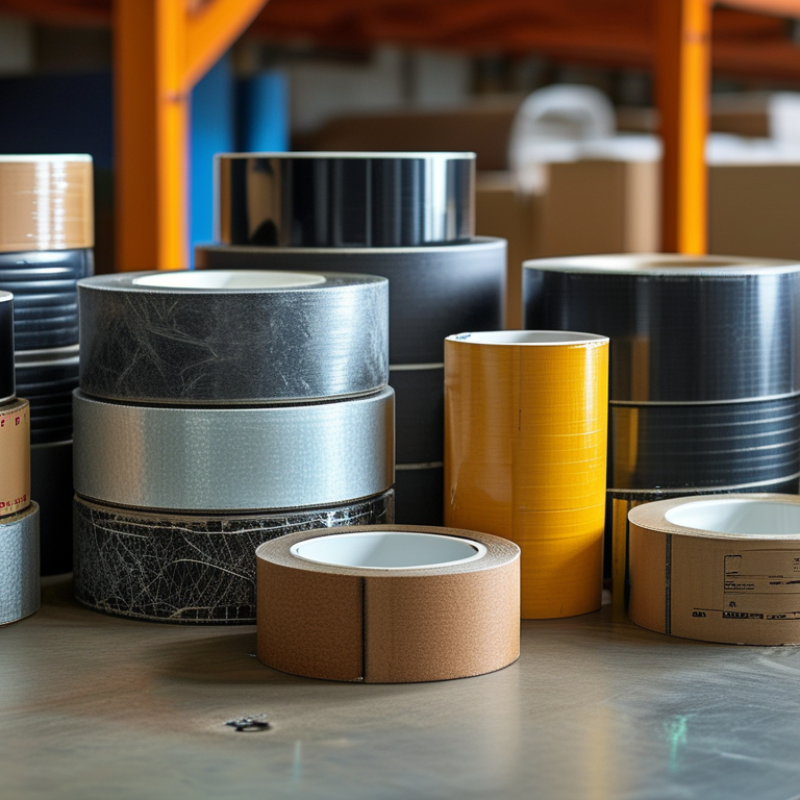
When selecting cover tape materials, understanding the type of adhesive and backing is crucial. Common materials include plastic films, paper, and specialty substrates. Each has distinct properties affecting performance, durability, and ease of application. For lightweight applications, plastic films like polyethylene are ideal. They offer flexibility and good moisture resistance.
Paper tapes, while less durable, can be beneficial for specific uses, such as temporary applications. They are easier to handle and often more economical. Specialty substrates, like silicone or foil-based tapes, provide unique benefits, including higher thermal resistance. However, these options may come at a premium.
Tips: Always consider the environmental impact of materials. Look for options with recyclable or biodegradable properties. Testing various materials is vital. Real-world applications may reveal performance gaps. Assessing user feedback can also provide insight into the practical use of each type.
Key Factors to Consider When Choosing Cover Tapes
When selecting cover tapes, buyers should prioritize several key factors. The tape's adhesive strength is critical. A strong bond ensures that the tape holds securely during various applications. Consider the surface materials where the tape will be applied. Different materials require specific adhesive formulations for optimal performance.
Another important aspect is the tape's thickness. Thicker tapes often provide better durability and resistance to wear. However, they might be less flexible, which can be a drawback in certain situations. Evaluating flexibility is crucial, especially for applications involving curved surfaces. Buyers should test how the tape responds under stress.
Environmental factors can also influence the choice of cover tape. Exposure to moisture, heat, or chemicals might degrade the tape's performance. It's essential to think deeply about the operating conditions. Conducting tests in real-world scenarios can reveal unexpected weaknesses. Buyers might discover that their initial choices need adjustment after practical application. The learning curve can be valuable for long-term decision-making.
Innovative Features in Cover Tapes for 2026
As we approach 2026, cover tapes are experiencing significant innovation. These advancements focus on functionality, usability, and sustainability. According to a recent report from the Adhesive Tape Manufacturers Association, the demand for high-performance cover tapes is expected to increase by 15% annually. This statistic signals an evolving market, where functionality becomes crucial.
One innovative feature is the development of eco-friendly materials. Manufacturers are using biodegradable substrates, which meet the growing demand for sustainability. This shift can reduce environmental impact significantly. Additionally, the adhesive formulations are becoming more sophisticated. They now offer better temperature and moisture resistance, which is vital in various applications. Research indicates that tapes with high tensile strength are rated 30% more effective in extreme conditions compared to traditional options.
However, some challenges persist. The cost of sustainable materials can be higher, impacting pricing strategies. Balancing performance with environmental concerns remains a topic of discussion among industry experts. Buyers must consider these factors while looking for the best options. As the market grows, understanding the latest features of cover tapes will empower companies to make informed decisions for their needs in 2026.
Top Cover Tape Options for 2026
Environmental Impact of Different Cover Tape Options
When considering cover tapes in 2026, understanding their environmental impact is crucial. Most cover tapes are made from plastics, which can take hundreds of years to decompose. Some options use biodegradable materials, but they often lack durability and strength. This trade-off can lead to increased waste if they fail during use. Buyers need to balance environmental concerns with functional requirements.
Moreover, the manufacturing processes of cover tapes also play a role in their environmental footprint. Some methods produce significant emissions and pollution. Choosing tapes made from recycled materials can mitigate this issue, but recycling rates vary widely. Not all manufacturers disclose the full lifecycle impact of their products. Transparency is vital so buyers can make informed decisions.
Lastly, buyers should consider the end-of-life disposal of cover tapes. Compostable options might seem ideal, yet they require specific conditions to break down effectively. Without proper disposal, they can still contribute to landfill mass. Understanding these factors helps consumers select responsible options that align with their sustainability goals while meeting their practical needs.
Cost-Effectiveness and Value in Top Cover Tape Choices
When choosing top cover tape options, cost-effectiveness plays a crucial role. Different projects require various tape types, each with distinct properties. Buyers must evaluate quality versus cost. Some tapes may offer a lower initial price but may not perform well in harsh conditions. This can lead to increased expenses over time.
Understanding the long-term value is essential. Cheaper tapes often fail sooner, leading to damage and repairs. A more robust tape may seem expensive now but save money in the long run. It’s about balancing upfront costs with future benefits. Buyers should look for detailed specifications and user experiences.
Customer reviews can shed light on a product’s performance. Experimentation is often necessary. Trying different tapes can lead to insightful discoveries about effectiveness. While some options may excel in their applications, others might disappoint. Reflecting on these choices helps refine future purchases. The right top cover tape can enhance project outcomes significantly.
Conclusion
As we approach 2026, buyers seeking the ideal Top Cover Tape must consider various factors to make informed decisions. A comparative analysis of materials highlights the strengths and weaknesses of different cover tape options, facilitating buyers in identifying the best fit for their specific needs. Key factors such as adhesion strength, durability, and application compatibility are crucial in choosing the right tape.
Innovative features emerging in cover tapes are also transforming the market, offering enhancements in performance and usability. Additionally, understanding the environmental impact of different options is essential, as sustainability becomes increasingly important for consumers. Lastly, buyers should evaluate the cost-effectiveness and overall value of Top Cover Tape choices to ensure they achieve the best balance between quality and price in their purchases.

 YONGJIA Electronic