Carrier Tape Sealing Tape plays a critical role in the electronics packaging industry. According to recent market research, the global demand for carrier tape sealing solutions is projected to grow at a CAGR of 5.5% from 2022 to 2026. This growth reflects the increasing need for efficient and reliable packaging in sectors such as semiconductors and consumer electronics.
The right sealing tape ensures the protection of electronic components during transport. High-quality carrier tape sealing tapes guarantee secure sealing, reducing the risk of damage or defects. However, not all options are equally effective. Buyers must be cautious in their selection process, as various factors influence performance.
Factors like adhesion strength, moisture resistance, and temperature tolerance are critical. A thorough understanding of these attributes can significantly impact product reliability. This landscape can be complex, making it essential to choose trusted suppliers. While many products are on the market, identifying the top ten can streamline purchasing decisions for global buyers recognizing the importance of this small yet vital component.
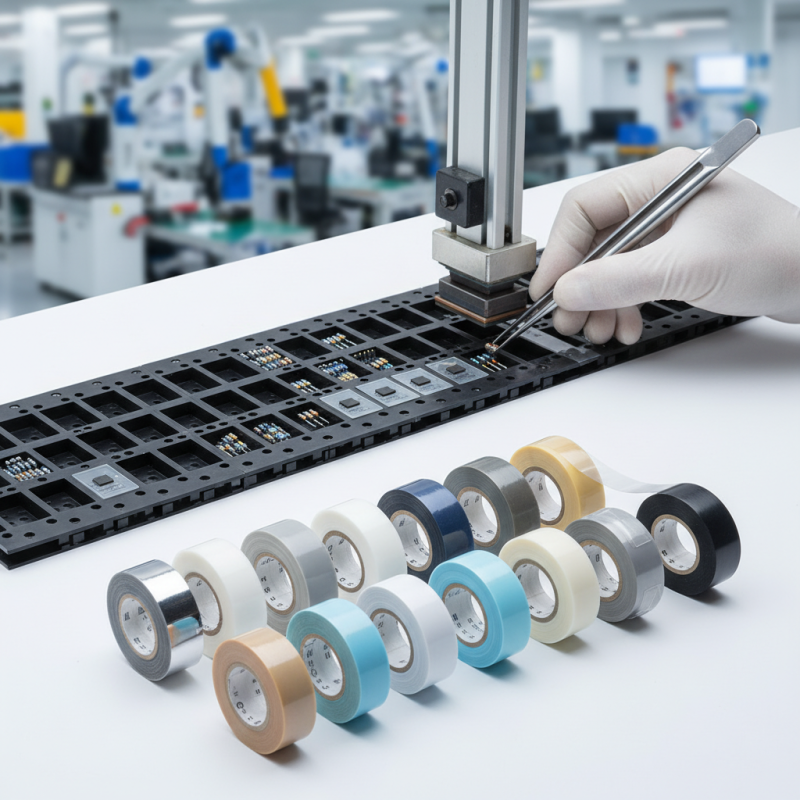
Carrier tape sealing tapes play a vital role in the electronic manufacturing industry. Their primary function is to protect components during storage and transportation. According to a report by the Electronics Packaging Association, nearly 70% of all electronic components require some form of protection during shipment. Without proper sealing, components risk damage, leading to financial losses for manufacturers.
The importance of these tapes extends beyond simple protection. Research indicates that effective sealing can reduce component defects by as much as 50%. This improvement significantly boosts production efficiency. Many manufacturers often overlook this aspect, which can lead to increased costs and unexpected delays.
While there are numerous options available, understanding the specifications is crucial for making informed decisions. Not all tapes stand up to extreme conditions like humidity and temperature variations. In recent studies, industry experts recommended conducting thorough tests on sealing performance under different environmental scenarios. This approach ensures long-term reliability and product integrity.
When selecting carrier tape sealing tapes, there are several key features to consider. The strength and adhesion of the tape are crucial. A strong bond ensures that components stay securely in place during transport. According to a market analysis, tapes with a peel adhesion between 10-25 N/inch often provide optimal performance.
Thickness plays a significant role as well. Tapes generally range from 0.5mm to 1.5mm. Thicker tapes can offer better resistance to environmental factors. However, they may not be as flexible. Flexibility is necessary for certain applications. Users need to assess their specific needs to find the right balance.
Tips: Always conduct adhesive tests before full-scale deployment. This helps ensure the tape meets the intended application requirements. Regularly review your supplier’s specifications for changes in material or formulation to avoid unexpected performance issues.
The length of the tape should match standard requirements to minimize waste. A mismatch can introduce challenges in automation systems. Additionally, users should think about the temperature resistance of the tape. Many operations occur in varying temperature conditions, and a tape must perform reliably across this range. Understanding these factors can lead to better decision-making in tape selection.
In today's competitive market, selecting the right carrier tape sealing tapes is crucial for efficiency. Commonly used in electronics packaging, these tapes ensure the protection and organization of components. According to a recent industry report, the demand for effective sealing solutions is projected to grow at a rate of 5% annually. This highlights the significance of adopting high-quality materials that meet industry standards.
Various factors influence the selection of sealing tapes. Adhesive strength, temperature resistance, and compatibility with different materials are key considerations. The ideal tape should provide secure sealing while being easy to unwrap. Research indicates that improper sealing can lead to component damage, impacting productivity and costs. Compatibility testing is essential, yet many companies overlook it.
Market analysis shows that a lack of awareness about the latest sealing technologies leads to suboptimal choices. Many buyers rely on outdated methods. To remain competitive, it is vital to stay informed about innovations in sealing technology. Engaging with industry experts can provide insights that drive better decision-making.
| Rank | Tape Type | Width (mm) | Thickness (mm) | Adhesion (N/cm) | Temperature Resistance (°C) | Applications |
|---|---|---|---|---|---|---|
| 1 | Polyester Tape | 12 | 0.1 | 12 | 60 | Electronics, PCB Packaging |
| 2 | Polypropylene Tape | 16 | 0.09 | 10 | 50 | Automotive, Industrial Use |
| 3 | PVC Tape | 20 | 0.15 | 15 | 70 | Food Packaging, Consumer Goods |
| 4 | Nylon Tape | 10 | 0.2 | 18 | 80 | Medical, Electrical Insulation |
| 5 | Foam Tape | 25 | 0.5 | 20 | 90 | Construction, HVAC |
| 6 | Silicone Tape | 30 | 0.3 | 25 | 120 | High-Temperature Applications, Electrical |
| 7 | Double-Sided Tape | 15 | 0.2 | 22 | 60 | Crafting, Assembly |
| 8 | Copper Tape | 12 | 0.1 | 30 | 75 | Electronics, EMI Shielding |
| 9 | Gaffer Tape | 50 | 0.3 | 35 | 65 | Theater, Film Production |
| 10 | Electrical Tape | 19 | 0.18 | 28 | 90 | Wiring, Insulation |
When choosing carrier tape sealing tapes, understanding their properties is crucial. Different materials affect adhesion, durability, and performance under various conditions. For instance, some tapes offer higher tensile strength, making them ideal for heavy components. Others excel in flexibility, suitable for intricate designs.
Cost is another factor. A more expensive tape does not always guarantee better quality. Some budget-friendly options perform surprisingly well for light-duty applications. It's essential to test tapes under your specific conditions to assess their reliability and performance.
Environmental factors can significantly impact tape performance. Humidity and temperature variations may weaken adhesiveness. Therefore, conducting field tests and considering end-use scenarios is vital. Feedback from users can reveal hidden limitations or advantages of specific tapes. Understanding these nuances helps in making informed choices.
Choosing the right carrier tape sealing tape is crucial for ensuring product safety during transportation. Consider the material composition. Some tapes feature polyolefin, while others may use PVC or PET. Each material has distinct bonding properties, affecting adhesion and durability. Industry reports suggest that tapes made of polyolefin have a a higher resistance to temperature fluctuations. This feature is vital for electronics that can be sensitive to such changes.
Evaluate the tape's thickness and adhesive strength. According to the latest market data, thicker tapes usually provide better cushioning. Yet, this isn't always necessary. You may find that thinner options suffice for lighter items. Also, assess the adhesive type—some tapes offer permanent adhesion, while others allow re-positioning. Interestingly, a recent survey indicates that about 70% of users prioritize adhesive strength for long-term storage needs.
Gauge the tape’s width and length as well. A mismatch can lead to wastage or inadequate coverage. The global average tape width ranges from 8mm to 32mm. Users often overlook how this affects the overall efficiency of the packaging process. Additionally, if you're working with custom products, you might consider bespoke solutions, even if they entail higher upfront costs.
: Strength and adhesion are crucial. A strong bond keeps components secure during transport.
They generally range from 0.5mm to 1.5mm. Thicker tapes resist environmental factors better.
Flexibility ensures usability in certain applications. It helps the tape conform to various shapes.
Conduct adhesive tests to ensure the tape meets application needs. This helps avoid problems later.
Length should meet standard requirements to minimize waste. Mismatches can complicate automation systems.
Many operations have varying temperatures. Tapes must reliably perform in those conditions.
Common materials include polyolefin, PVC, and PET. Each has unique bonding properties.
Consider the type of adhesive. Some allow re-positioning while others offer permanent adhesion.
Many forget to conduct compatibility testing. This can lead to unsuitable choices and component damage.
Lack of awareness can result in suboptimal choices. Engaging with experts helps inform better decisions.
Carrier Tape Sealing Tape plays a crucial role in the packaging and transportation of electronic components, ensuring the protection and integrity of delicate parts throughout the supply chain. This article delves into the key features that buyers should consider, such as adhesive strength, material durability, and compatibility with various component types.
Additionally, a comparative analysis of the top 10 recommended Carrier Tape Sealing Tapes offers insights into popular options available for global buyers. The article also provides essential tips for selecting the right tape to meet specific needs, helping readers make informed decisions to optimize their packaging processes. By understanding the importance and choices in Carrier Tape Sealing Tape, buyers can enhance their efficiency and product safety in the electronics industry.
YONGJIA Electronic