When it comes to shipping and packaging, the importance of quality materials cannot be overstated. This is where Top And Bottom Sealing Tape comes into play. This type of tape is essential for ensuring the integrity of packages during transit. It protects contents from external elements and prevents damage.
Choosing the right sealing tape is vital for global importers. The variety of options available can be overwhelming. Factors like adhesive strength, thickness, and weather resistance must be taken into account. A poor choice can lead to costly damages. This is an area where thorough research and expert advice can significantly impact decision-making.
Importers should reflect on their specific needs. Are they shipping heavy items or delicate products? Understanding these requirements will guide better product choices. It's also important to stay updated on industry trends and innovations. This knowledge can lead to better quality and lower costs over time.
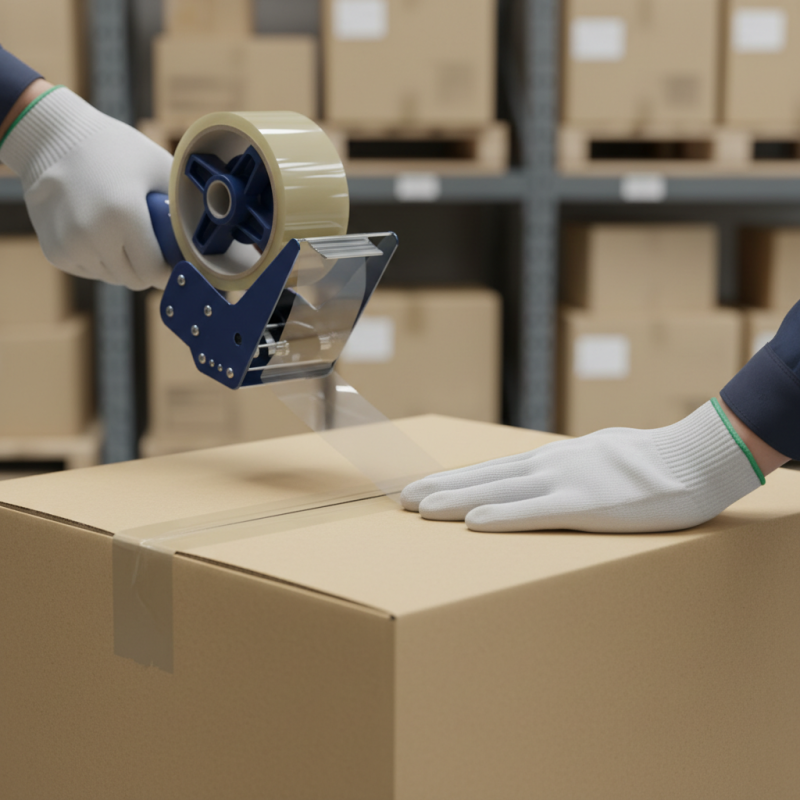
Understanding the Types of Sealing Tapes Available in the Market
When selecting sealing tapes, it is vital to understand the types available in the market. There are various categories of sealing tapes, including acrylic, rubber, and silicone-based options. Each type serves distinct purposes. For instance, acrylic tapes are known for their strong adhesion and UV resistance. They are suitable for outdoor applications. In contrast, rubber tapes excel in providing instant bonding and are ideal for indoor use.
According to a recent industry report, the global sealing tape market reached USD 7 billion in 2022, with a projected growth rate of 6% annually through 2028. This indicates a rising demand for specialized tapes across various sectors. Specific industries, such as packaging, automotive, and electronics, heavily invest in sealing tapes. The choice of material affects durability and performance. Importers should consider these factors carefully.
It's important to note that not all sealing tapes are created equal. For example, some tapes may not adhere well to certain surfaces or might lose effectiveness under various environmental conditions. Testing before bulk purchasing can mitigate risks. While the market offers numerous choices, understanding the specific application is crucial. Choosing the wrong tape can lead to costly production delays. Importers need to stay informed about industry trends and advancements.
Key Factors to Consider When Selecting Sealing Tapes for Import
When selecting sealing tapes for import, it’s essential to consider several key factors. The material of the tape plays a significant role in its effectiveness. Tapes made from polypropylene or polyester offer durability, but may not be as flexible. On the other hand, acrylic and rubber adhesives provide strong bonding but can have varying performance under different conditions. Understanding these properties helps in choosing the right tape for specific applications.
Another important aspect is the tape’s thickness and width. Thicker tapes generally provide better strength and resistance. However, they may not fit all packaging types. It's crucial to assess the packaging requirements to ensure the tape can handle the weight and size of the products. Also, pay attention to the climate conditions of the destination. High humidity or extreme temperatures can impact the performance of sealing tapes over time.
Pricing can be misleading. While cheaper options may seem attractive, they often lack reliability. It’s worth investing in quality tapes that ensure product integrity during transit. Evaluating supplier reviews and production standards can provide insight into their credibility. This process can be daunting, but a cautious approach ensures better decision-making for importers who seek quality and dependability in sealing tapes.
Evaluating Quality Standards and Certifications for Sealing Tapes
When selecting sealing tapes, quality standards and certifications play a critical role. Importers must assess how these products meet industry benchmarks. Quality can vary significantly among different manufacturing processes. Some tapes might hold strong initially but fail over time. Therefore, understanding the testing criteria is essential. Look for tapes that comply with international standards like ASTM or ISO.
Certifications indicate a product's reliability. Tapes that carry certifications have undergone rigorous testing. These tapes often demonstrate better adhesion, durability, and resistance to environmental factors. However, it’s not uncommon to find certifications that are misrepresented. Importers should verify claims and ask for test results. Transparency from suppliers builds trust and ensures product quality aligns with expectations.
Not all sealing tapes are created equal. Some may perform well in specific conditions but falter in others. Evaluate real-world performance alongside certifications. Practical feedback from other users can be enlightening. Relying solely on documentation may overlook subtle yet critical performance issues. An informed choice requires a diligent evaluation of both quality and user experiences.
Top And Bottom Sealing Tape Buying Guide for Global Importers
| Quality Standard |
Certification |
Material Type |
Thickness (mm) |
Width (mm) |
Adhesive Type |
| ISO 9001 |
ANSI/ASTM D-3330 |
Polyethylene |
0.15 |
50 |
Acrylic |
| ISO 14001 |
CE Marking |
PVC |
0.20 |
75 |
Rubber |
| ROHS Compliant |
UL Listed |
Paper |
0.10 |
100 |
Silicone |
Cost Analysis: Budgeting for Sealing Tape Imports
When considering sealing tape imports, a careful cost analysis is essential. Importers should budget not just for the tape itself but also for shipping, duties, and potential tariffs. These extra costs can fluctuate based on the country of origin and trade agreements. A minor oversight in budgeting can lead to unexpected expenses that impact overall profitability.
Tip: Research customs duties for various materials. Different tapes can have diverse rates based on their composition. Keep a close eye on these factors to prevent overspending.
In addition, always anticipate changes in market demand. The price of sealing tape can vary significantly due to seasonal shifts or supply chain disruptions. Understanding these dynamics is crucial for effective budgeting. Accurate forecasting can mitigate risks and improve financial planning.
Tip: Establish relationships with suppliers. Reliable communication can lead to better pricing and understanding of market trends. This proactive approach fosters stability in your cost analysis. Adjusting your budget to reflect real-time changes ensures better financial health for your business.
Best Practices for Sourcing and Supplier Management in Tape Importing
Sourcing and managing suppliers in the tape importing sector requires a keen understanding of the market and strong negotiation skills. According to a report by Grand View Research, the global adhesive tape market was valued at approximately $60 billion in 2021, with a projected growth rate of 5.5% from 2022 to 2030. This growth presents both opportunities and challenges for importers.
It’s crucial to establish a strong network of suppliers. Keep communication open and transparent. Rely on metrics and data when evaluating suppliers. For example, assess their production capacity and delivery performance. This ensures they can meet your demands consistently.
Beware of over-dependency on a single supplier. Diversification can mitigate risks. Supplier reliability is key, but fluctuations can happen. A recent survey indicated that 33% of importers faced delays, affecting their operations.
Tips: Always vet potential suppliers carefully. Request samples and conduct quality checks. Establish clear terms regarding quality standards and delivery times. Regular performance reviews can help maintain these standards. Keep a critical eye on market trends and adapt your strategy accordingly.
FAQS
: Budget for tape, shipping, duties, and tariffs. These costs can vary widely.
Research customs duties for different materials. Minor oversights can lead to higher costs.
Market demand affects pricing. Seasonal changes can impact your overall budget.
Accurate forecasting can mitigate risks. Understand market dynamics for better budgeting.
Establish strong communication and use data to evaluate suppliers. This is essential for consistency.
No, over-dependency can risk delays. Diversify your supplier network to reduce potential issues.
Regularly review supplier performance and conduct quality checks. Communication is crucial.
Have backup suppliers ready. This helps maintain operations during unforeseen disruptions.
Keep a close eye on market trends. Be ready to adjust your strategy as needed.
Request samples and establish clear quality standards. This helps avoid future disappointments.
Conclusion
The article "Top And Bottom Sealing Tape Buying Guide for Global Importers" provides a comprehensive overview for importers seeking to navigate the sealing tape market. It begins with an examination of the various types of sealing tapes available, highlighting their specific uses and applications. Importers are encouraged to consider key factors such as material, thickness, adhesive quality, and intended application while selecting the appropriate sealing tape.
Additionally, the guide emphasizes the importance of evaluating quality standards and certifications to ensure that imported tapes meet industry requirements. Cost analysis is also discussed, offering insights into budgeting for sealing tape imports. Finally, best practices for sourcing and managing suppliers are outlined, aiming to facilitate smooth and effective import operations. Overall, this guide serves as an essential resource for anyone involved in the importation of Top And Bottom Sealing Tape, ensuring they make informed decisions throughout the process.

 YONGJIA Electronic