Choosing reliable Top And Bottom Sealing Tape suppliers requires more than comparing catalog prices. Packaging lines behave differently under pressure, speed, temperature, and humidity. A tape that seals perfectly in a warm showroom may lift inside a cold warehouse. Small details matter, including adhesive coat weight, backing strength, unwind performance, and compatibility with automatic case sealers.
Dr. Susan E. M. Selke, a respected packaging-materials expert, offers a useful principle: “Packaging performance depends on materials, machinery, and the final application working together.” That idea guides this supplier review. We examine manufacturers by product consistency, technical documentation, production capacity, customization options, and after-sales support. Certifications and test reports also matter, but paperwork cannot replace a proper line trial.
The comparison considers suppliers serving food, beverage, e-commerce, logistics, and industrial packaging operations. We look at acrylic, hot-melt, and solvent-based adhesive systems. We also consider clear and printed options, different roll lengths, noise levels, and carton surface performance. Practical evidence matters.
A supplier should explain its limits.
No tape fits every carton.
The strongest candidates provide samples, application guidance, and measurable test results before large orders. Still, this ranking has room for judgment. Regional service, shipping distance, and changing raw-material costs can alter the best choice for each buyer. Readers should verify current specifications directly with suppliers and test Top And Bottom Sealing Tape on their own equipment before approval.
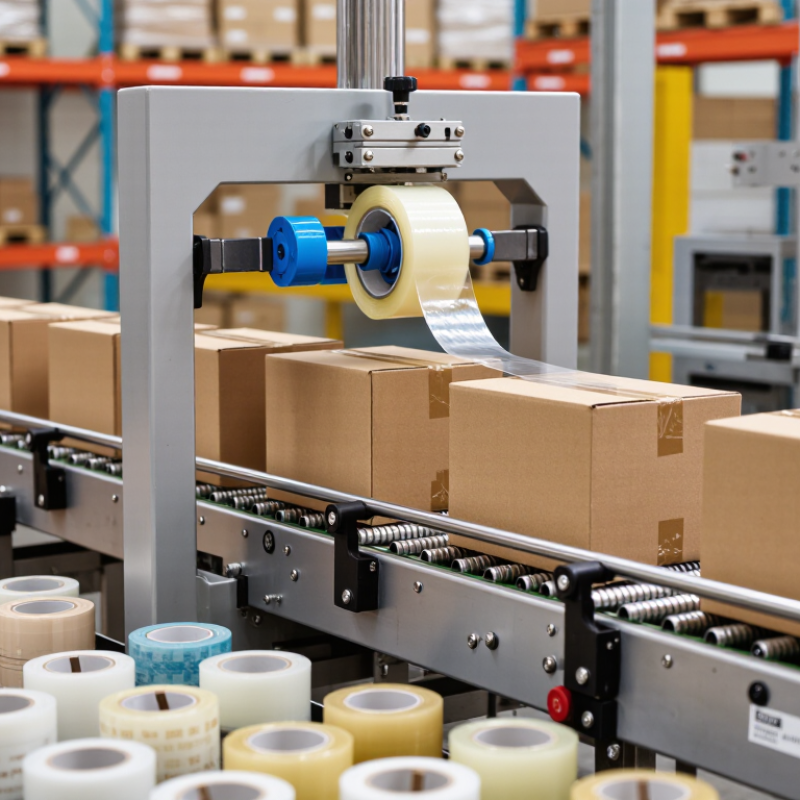
Top and bottom sealing tape is a pressure-sensitive material used to close cartons, trays, and flexible packages. It seals the upper and lower surfaces during packing. Depending on the application, the tape may use hot melt, acrylic, or solvent-free adhesive systems. Each option behaves differently under heat, dust, vibration, and storage pressure.
In practical testing, good tape should unwind smoothly and bond without lifting at the corners. The carton surface matters too. Recycled fiber can be rough, dusty, or slightly damp. A tape that works well on clean kraft board may fail there. Width, thickness, tensile strength, and temperature range should match the sealing machine. Reliable suppliers should provide technical data, batch information, sample rolls, and clear application guidance. Small trial runs often reveal problems faster than attractive specifications. A perfect result is not guaranteed.
Tips: Test the tape on the actual carton, not only on a laboratory sheet. Check adhesion after 24 hours. Store rolls away from heat, moisture, and direct sunlight. Adjust pressure and tension before changing adhesive types. Ask suppliers how they control coating weight and consistency. This question is often overlooked. Also inspect the inner core and edge finish, because poor winding can interrupt automatic sealing. For food, medical, or export packaging, confirm that the complete tape and carton system meets applicable regional standards.
Top and Bottom Sealing Tape Suppliers: Key Features and Applications
Top and bottom sealing tape supports fast, consistent closure in cartons, trays, and flexible packaging lines. In practice, the tape must unwind smoothly without snapping during machine acceleration. Strong initial tack helps the adhesive bond to dusty corrugated surfaces. Good shear resistance prevents cartons from opening during stacking or transport. That matters on humid warehouse floors.
A suitable tape also needs balanced tensile strength, thickness, and temperature resistance. Hot-melt adhesives usually perform well on high-speed packaging equipment. Acrylic systems can offer better aging and ultraviolet resistance. Operators should check application temperature, surface energy, and carton recycling requirements before selection. Small differences matter. A tape that seals well by hand may fail on an automated top-and-bottom sealer.
Market data reflects this expanding demand. Grand View Research valued the global adhesive tapes market at approximately 85 billion US dollars in 2023 and projected continued growth through 2030. Future Market Insights has also reported steady growth in packaging tape demand, supported by e-commerce and prepared-food distribution. These figures are useful, but report boundaries differ, so direct comparisons can mislead. Supplier evaluation should include peel adhesion, holding power, unwind noise, roll consistency, and machine trials. A practical test uses filled cartons, cold storage, vibration, and a 24-hour observation period. Laboratory results alone can be too optimistic.
Evaluating top and bottom sealing tape suppliers requires more than comparing prices. Start with the tape’s actual application. Check sealing temperature, pressure, line speed, substrate type, and expected storage conditions. A reliable supplier should provide technical data, safety information, and batch traceability. Ask for samples from current production, not specially prepared rolls. Samples can mislead.
Test the tape on your own packaging machine. Record seal strength, bond consistency, residue, and performance after heat exposure. A useful trial includes several roll widths and different production shifts. Watch for edge lifting, uneven coating, or adhesive transfer. These small defects may become costly stoppages. Request test methods and acceptance limits in writing. Vague answers deserve careful review.
Supplier experience also appears in practical support. Can the technical team adjust recommendations when your film changes? Can it explain lead times, minimum quantities, storage life, and replacement procedures clearly? Review quality records, complaint response times, and corrective-action reports. An on-site audit can reveal clean storage, labeled pallets, and disciplined inspection routines. Do not judge reliability from polished documents alone. One weakness remains: no supplier can predict every machine condition. Keep a controlled trial record, involve operators, and reassess performance after regular production begins.
The top and bottom sealing tape market is expanding with automated packaging demand. A 2024 Mordor Intelligence assessment values the global packaging tapes market at approximately US$20 billion. It also forecasts steady growth through 2029. This signals stronger demand for reliable machine-applied tape, not simply lower prices.
The best supplier shortlist should include ten qualified producers across these categories: acrylic adhesive specialists, hot-melt tape manufacturers, solvent-based specialists, recycled-content converters, and regional packaging suppliers. PMMI reported that North American packaging machinery shipments reached about US$10.2 billion in 2023. That figure highlights the importance of tape consistency during fast production. Suppliers should provide stable unwind tension, clean cutting, strong carton adhesion, and accurate roll dimensions. Small defects become expensive quickly.
A practical test uses the same cartons, machine speed, humidity, and storage time. Ask for peel strength data and batch traceability. Request samples before signing a volume agreement. Some suppliers publish impressive laboratory results, yet factory performance can differ. That is worth questioning. Buyers should also examine recycled-content claims, adhesive migration documentation, and technical support response times. The top ten should be ranked by verified performance, delivery reliability, customization capacity, and total operating cost. A cheaper roll may create more stoppages. That lesson is often learned late.
Comparing the top ten top-and-bottom sealing tape suppliers requires more than checking roll prices. Grand View Research estimated the global packaging tapes market at around US$22 billion in 2023, with continued growth projected through 2030. This demand attracts capable factories, but also inconsistent claims. I look for measurable adhesion, clean unwind, stable carton sealing, and batch traceability. Quality needs evidence.
Supplier samples should be tested on recycled corrugated cartons, dusty surfaces, and cold-storage conditions. ASTM D3330 peel adhesion and ASTM D3654 holding power offer useful comparison points, although neither replaces a real packing-line trial. Customization may include acrylic, hot-melt, or solvent-free adhesives, printed warnings, slit widths, core sizes, and low-noise unwind. Smithers’ packaging analysis identifies sustainability and lightweight packaging as major development pressures. A supplier changing only the tape color is not truly flexible.
Pricing should be measured per sealed carton, not per roll. Ask about freight, setup, printing plates, minimum orders, and rejected-roll costs. Mordor Intelligence reports continued expansion in e-commerce packaging, making dependable service more valuable during demand spikes. Check response times, replacement policies, technical support, and production capacity before signing. No supplier wins every category. My comparison sheets sometimes overvalue laboratory numbers; warehouse behavior can be less polite. Request three production-lot samples and record failures beside each quotation.
It closes the upper and lower surfaces of cartons, trays, and flexible packages. It supports faster packing lines.
Hot-melt adhesive suits many high-speed machines. Acrylic often ages better. Solvent-free systems may fit specific requirements.
Not reliably. Recycled cartons may be rough, dusty, or slightly damp. Test the actual carton.
Check smooth unwinding, initial tack, tensile strength, shear resistance, and temperature range. Corner lifting is a warning sign.
Run filled cartons through the real machine. Inspect adhesion after 24 hours, cold storage, stacking, and vibration.
Yes. Width, thickness, tension, and pressure must suit the sealing equipment. Small mismatches can interrupt automatic sealing.
Compare sealed-carton cost, not roll price alone. Include freight, setup, minimum orders, rejected rolls, and technical service.
Request technical data, batch details, sample rolls, coating consistency information, and replacement terms. Three production-lot samples are better.
Keep rolls away from heat, moisture, and direct sunlight. Protect the edges and inspect the inner cores.
Usually not. Warehouse dust, humidity, and machine acceleration can expose failures. My first comparison may overvalue clean test sheets.
This article provides a practical guide to Top And Bottom Sealing Tape, explaining its structure, sealing mechanism, and role in packaging operations. It explores how this tape supports secure carton closure, improves package protection, and helps maintain efficient sealing performance across different packaging environments. Key features such as adhesion, tensile strength, temperature resistance, surface compatibility, and ease of application are also discussed, along with common application considerations.
The article also outlines how to evaluate reliable suppliers by reviewing product quality, customization options, production consistency, pricing, delivery capability, technical support, and after-sales service. A comparison of the top 10 Top And Bottom Sealing Tape suppliers is presented through these essential criteria, helping buyers identify suitable partners for their packaging requirements. By balancing performance, cost, flexibility, and service, businesses can make more informed sourcing decisions and select sealing tape solutions that support dependable, efficient, and professional packaging operations.

YONGJIA Electronic