In today's fast-paced packaging industry, choosing the right materials is crucial. One option that stands out is Self Adhesive Cover Tape. According to a 2022 report by Market Research Future, the global adhesive tape market is projected to reach $70 billion by 2026, driven largely by the increasing demand for efficient packaging solutions.
Utilizing Self Adhesive Cover Tape offers several advantages. For instance, it provides excellent adhesion and durability across various surfaces. Additionally, it enhances product safety by securely sealing packages. However, companies must consider ecological impacts. Not all tapes are recyclable, leading to potential sustainability concerns. This reflects a growing need for innovative solutions in our industry.
Experts emphasize that proper application is key to maximizing benefits. Misapplication can result in compromised seals and product damage. Moreover, a study from Freedonia Group indicates that adhesive tape defects can cost manufacturers millions annually. Overall, investing in high-quality Self Adhesive Cover Tape is a step towards optimizing packaging efficiency while addressing environmental responsibility.
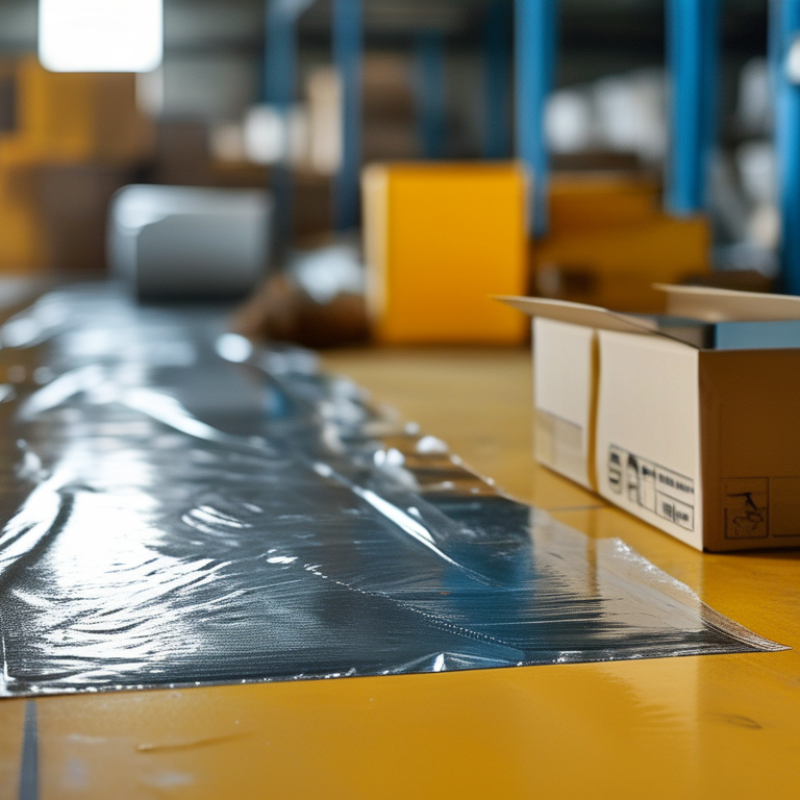
Self-adhesive cover tape has become increasingly vital in packaging applications. It offers a range of benefits that can enhance overall efficiency and safety. Industry reports suggest that companies are saving up to 30% in packaging costs by switching to self-adhesive tapes. This option allows a quick and easy sealing solution, minimizing the need for additional tools or adhesives.
One significant advantage is the strong adherence of self-adhesive tapes. These tapes bond well to various surfaces, ensuring packages remain secure during transport. Reports indicate that improper sealing can lead to a 15% increase in product damage. Using self-adhesive tapes reduces this risk, improving product safety and reducing losses.
Tip: When selecting self-adhesive tapes, consider the surface material of your packaging. Different tapes perform better on specific surfaces.
Another notable benefit is the versatility in designs and sizes. Self-adhesive tapes can be printed with branding elements, enhancing product visibility. According to a survey, 70% of consumers recall brands that use unique packaging designs. This can drive consumer interest and boost sales.
Tip: Don’t overlook the importance of testing tape performance with your products. It is crucial to ensure the adhesive will hold up during shipping and handling.
Self-adhesive cover tape is widely used across various industries due to its versatility and efficiency. In packaging, it provides a reliable seal for boxes and envelopes. Its strong adhesive ensures that packages remain intact during transit, which is crucial for maintaining product integrity. Additionally, this tape offers an easy application process, saving time in busy production environments.
Retail industries rely heavily on self-adhesive cover tape for product labeling and display purposes. Its clear design allows for easy visibility of labels, enhancing aesthetics on store shelves. This tape is also ideal for sealing gift boxes, adding a professional touch to presentations. However, even the best tapes may fail if not applied correctly, requiring attention to detail and training for effective use.
In manufacturing, self-adhesive cover tape protects sensitive components from dust and moisture during storage. The ability to customize tape sizes allows manufacturers to create tailored solutions for different products. This adaptability is beneficial, but improper measurements can lead to waste. Continuous evaluation of tape quality and adherence is essential to ensure operational efficiency and minimize errors.
| Industry | Common Uses | Benefits |
|---|---|---|
| Food Packaging | Sealing food containers, preventing spoilage | Water-resistant, food-safe materials |
| Electronics | Securing components in packaging, insulating | Electrical insulation, anti-static properties |
| Pharmaceuticals | Sealing bottles and packages, tamper-evident | Meets regulatory standards, enhances safety |
| Logistics | Sealing boxes and pallets, ensuring security | Strong adhesion, weather-resistant |
| Retail | Labeling products, bundling items | Easy to apply, visually appealing designs |
When considering packaging materials, self adhesive cover tape presents unique advantages. Unlike traditional methods that rely on glue or staples, this tape is easy to apply. You simply peel off the backing and stick it where needed. The convenience it offers can significantly speed up the packaging process. This is especially crucial in environments where time is of the essence.
In terms of durability, self adhesive tape often outperforms traditional materials. It's resistant to moisture and can withstand various environmental factors. Regular tapes might peel off or lose adhesion due to humidity or temperature fluctuations. This reliability makes self adhesive tape a preferred option for long-term storage and shipment. However, it's important to consider that not all tapes are created equal. Some may lose their effectiveness over time, requiring careful selection.
User experience varies greatly with packaging methods. While some may find traditional materials familiar, self adhesive tape can eliminate the mess of adhesives. This can lead to a cleaner workspace and more efficient packing. Reflecting on the process can help businesses optimize their operations and reduce waste. Choosing the right packaging solution involves weighing these factors critically.
When selecting self-adhesive cover tape for packaging, several critical factors come into play. Assessing the adhesive strength is paramount. A tape with strong adhesion ensures that packages remain securely sealed during transit. However, excessive strength can lead to tearing of the packaging material. Balancing adhesion and material compatibility is essential.
Another crucial consideration is the tape's thickness. Thicker tapes provide enhanced durability and resistance to tearing, making them ideal for heavier items. Yet, they may be more difficult to apply neatly. Choosing the appropriate thickness ensures ease of use while maintaining packaging integrity.
Visual appearance also matters. A tape that blends well with packaging can enhance overall presentation. Additionally, eco-friendliness is worth contemplating. Many consumers prefer sustainable options. The market offers various choices that cater to environmental concerns. Making an informed decision requires contemplation of these factors and potential trade-offs.
When considering the environmental impact of packaging materials, self-adhesive cover tape emerges as a viable option. The global market for sustainable packaging is projected to reach $500 billion by 2027, according to industry reports. Self-adhesive tapes made from biodegradable or recyclable materials align well with this trend. They reduce waste in landfills, contributing positively to sustainability goals of companies.
Many self-adhesive tapes now utilize eco-friendly adhesives. Research shows that about 30% of plastic waste comes from packaging. Transitioning to self-adhesive cover tapes can significantly decrease this figure. Additionally, these tapes often consume fewer resources during production compared to traditional packaging materials. This reduction is compelling, especially as businesses focus on reducing their carbon footprints.
Still, challenges exist. Not all self-adhesive tapes are created equal. Some may not fully break down in composting environments. Companies must conduct thorough assessments of the materials they choose. Ensuring that the tapes meet environmental certifications is vital. Transparency in sourcing and materials can help create a more sustainable packaging landscape.
: Key factors include adhesive strength, thickness, visual appearance, and eco-friendliness. All play roles in effective packaging.
It's crucial. Strong adhesive ensures packages stay sealed. However, too strong can tear the packaging itself.
Thicker tape offers durability for heavy items. Yet, it can be tricky to apply neatly. Balance is key.
Yes, a well-blending tape enhances the overall presentation. It reflects the brand image and customer care.
Yes, many tapes now use biodegradable materials. They help reduce landfill waste and support sustainability goals.
Approximately 30% of plastic waste is due to packaging. Switching to self-adhesive tapes can help reduce this number.
Not all do. Some may struggle in composting. Companies need to assess materials carefully for sustainability.
The market for sustainable packaging could reach $500 billion by 2027. This shows growing consumer preference for eco-friendly products.
Yes, they often require fewer resources in production than traditional materials. This efficiency supports lower carbon footprints.
Companies must evaluate material sources and seek environmental certifications. Transparency is critical for achieving sustainability in packaging.
Self Adhesive Cover Tape has become an essential material in the packaging industry due to its numerous benefits, including strong adhesion, versatility, and ease of use. It is commonly employed across various sectors such as electronics, pharmaceuticals, and food packaging, offering solutions for sealing, protection, and insulation. When compared to traditional packaging materials, Self Adhesive Cover Tape often provides superior convenience and efficiency, making it a preferred choice for many applications.
When selecting the right Self Adhesive Cover Tape, several factors must be considered, including adhesion properties, thickness, and compatibility with specific surfaces. Additionally, sustainability is increasingly important; many manufacturers are now focusing on producing eco-friendly options that reduce the environmental impact of packaging materials. Overall, Self Adhesive Cover Tape stands out as a practical and innovative solution for modern packaging needs.
YONGJIA Electronic