Choosing the right Heat Sealing Tape can be daunting. With various options available, it’s easy to feel overwhelmed. Finding the perfect tape for specific applications is essential for optimal results. Quality matters. A reliable heat sealing tape ensures effective seals and durability.
Consider the material you’re sealing. Different tapes perform better with specific substrates. For instance, some heat sealing tapes work well on plastic, while others excel with fabric. Knowing the intended use will guide your choice. Not all tapes are equal in performance or adhesion levels.
Reflecting on your needs is crucial. What temperatures will the tape endure? How long will it be exposed to stress? These factors could impact your decision. Always remember, trial and error can lead to valuable insights. Yet, investing in a high-quality product often yields the best performance. Your choice in Heat Sealing Tape can significantly influence the efficiency of your projects.
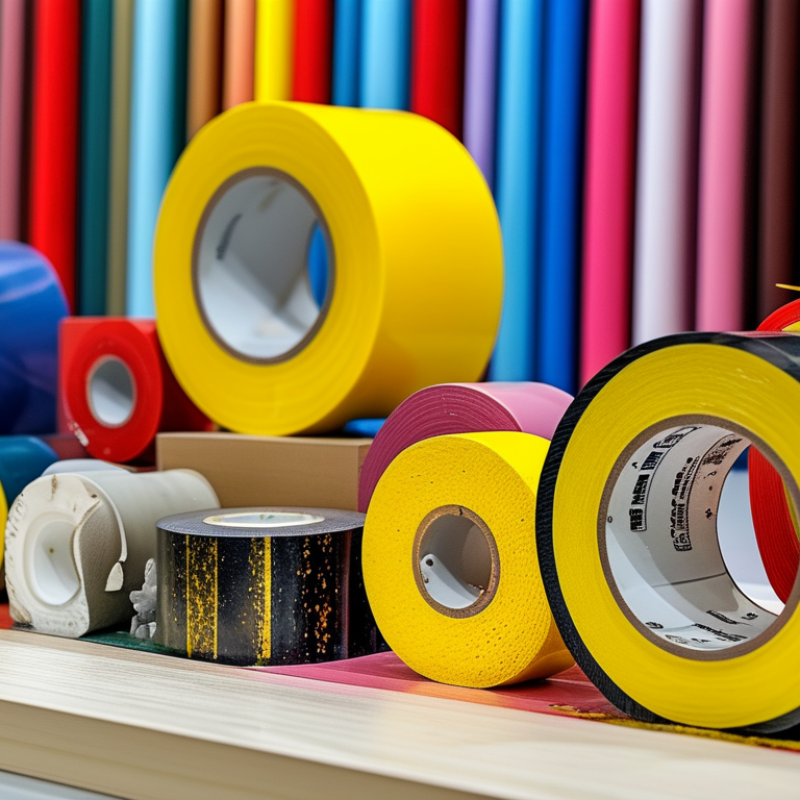
When selecting the best heat sealing tape, understanding the types and materials is essential. Heat sealing tapes come in several forms. Each type serves different applications, so it's crucial to choose wisely. Common materials include silicone, polypropylene, and polyethylene. Silicone tapes resist high temperatures and are effective for specialized applications. Polypropylene tapes are versatile and often used in packaging. In contrast, polyethylene tapes provide a strong seal for outdoor applications.
Tips for choosing the right tape include assessing the temperature range required for your project. Some projects may involve extreme heat or cold. Make sure the tape can withstand those conditions. Also, consider the surface to which the tape will adhere. Smooth surfaces may require different adhesive properties than rough or porous ones. Testing different options can provide insight into what works best for your needs.
It's important to note that not all tapes are created equal. Sometimes, a cost-saving option may lead to challenges down the line. Be cautious of tapes that fail to adhere properly, as this can ruin projects. Conducting small tests before full application can save time and resources. This reflection helps ensure you find the most suitable heat sealing tape for your specific circumstances.
Evaluating adhesive strength is crucial for selecting the right heat sealing tape. Different projects require different adhesive characteristics. Some applications need a strong bond, while others require adjustable or temporary adhesion. For instance, when sealing heavy-duty materials, a higher adhesive strength is essential to ensure durability. In contrast, lightweight materials may need a tape that allows for easy removal.
It's vital to test the tape on the actual materials involved. This practice ensures compatibility and reveals how the tape behaves under real-world conditions. Sometimes, the tape might seem strong but fail under stress or varying temperatures. Furthermore, environmental factors like humidity can affect adhesive performance. Always consider these elements in your evaluation process.
Understanding the materials you work with is just as important. Not all tapes function well with every substrate. For example, a tape designed for plastic might not adhere well to metal. Issues like surface texture and contamination can impact adhesion. Testing two or three types may give insights into the best option. This trial-and-error approach can sometimes feel frustrating but often leads to the best solution for your specific needs.
When selecting heat sealing tape, temperature resistance is crucial. Check the tape's maximum and minimum temperature ranges. This will help you avoid premature failure. For instance, some tapes may only resist up to 120°C. Using them beyond this limit can lead to poor seals. Understanding your application’s temperature needs ensures you choose wisely.
Performance factors also deserve attention. The adhesive strength should match your material's nature. Some materials may require a stronger bond. Additionally, consider environmental factors like humidity. Excess moisture can weaken tape adhesion. Reflect on how your work conditions impact the tape's effectiveness. Testing different tapes can uncover surprising results. You might discover that what works in one scenario fails in another. Always question if you have the best fit for your unique needs.
Choosing the right tape width and length is critical for effective heat sealing. A common industry recommendation is to use a tape width of at least 1 inch for optimal sealing strength. Narrower tapes may not provide the necessary coverage, leading to weak seals. In applications like food packaging, using a 2-inch width can enhance the seal's integrity, ensuring freshness and reducing contamination risks.
Length also plays a significant role. For small projects, a roll with 60 yards can suffice. However, large-scale operations may need higher lengths, like 300 yards, to avoid frequent replacements. According to recent data from the Adhesive Tape Manufacturers Association, 75% of manufacturers report productivity loss due to tape length issues. Therefore, accurately assessing your project needs is vital.
It's also essential to evaluate the application method. Manual vs. machine applications can influence the ideal tape specifications. Machine applications often require a specific tape thickness, typically between 3 to 8 mils. This adaptability can create challenges, as not all tapes meet both manual and machine requirements effectively. Understanding your sealing method can prevent potential misevaluation.
When selecting heat sealing tape, consider both cost and brand reputation. An effective tape should provide a reliable seal without breaking the bank. Investigating different price points can unveil budget-friendly options that do not compromise on quality. Beware of extremely low prices; they often signal inferior performance. Instead, strike a balance between cost and durability.
Evaluate the brand's history and customer reviews. A well-established brand might offer more reliable products. Look for tapes that have been tested in various conditions. This helps ensure you’re choosing a tape that can withstand your specific use case.
Tips: Always ask for samples before making a bulk purchase. This helps gauge performance firsthand. Try to consult user testimonials for real-world insights. If you’re unsure, consider reaching out to professionals who specialize in heat sealing. Their expertise can be invaluable in guiding your choice. Remember, sometimes it’s worth investing a bit more for reliability.
: Temperature resistance is crucial to prevent premature failure of the tape during application.
Check the tape’s maximum and minimum temperature ranges to ensure it fits your application needs.
The adhesive strength must match the material's nature. Some may need a stronger bond.
Excess moisture can weaken adhesion. Ensure conditions are suitable before application.
Using a tape width of at least 1 inch is recommended for optimal sealing strength.
Assess your project size; small projects may need 60 yards, while larger projects may need 300 yards.
Manual and machine applications might require different tape specifications, like thickness.
Yes, testing various tapes can reveal surprising results. What works in one case may fail in another.
Many overlook environmental conditions, which can impact tape effectiveness. Always reflect on your work conditions.
Absolutely, you might find that a tape that works well in one application fails in another.
When choosing the best Heat Sealing Tape for your needs, it is essential to understand the various types and materials available. Different applications require different adhesive strengths, so evaluating this factor is crucial. Additionally, the temperature resistance and performance characteristics of the tape should be considered to ensure it meets the demands of your specific project.
Furthermore, selecting the right tape width and length can greatly impact the effectiveness of your sealing process. Lastly, a cost and quality comparison of different Heat Sealing Tape options will help you find the ideal product that balances affordability and performance. By carefully assessing these elements, you can make an informed decision that best serves your requirements.

YONGJIA Electronic