How to Choose the Best Top and Bottom Sealing Tape for Packaging?

Time:2026-05-25 Author:Henry
0%

Choosing the right packaging tape is crucial for businesses. Among various options, Top and Bottom Sealing Tape stands out. This tape is essential for securing packages effectively. Its strength can influence how well products arrive at their destinations.

When selecting Top and Bottom Sealing Tape, consider material, adhesion, and width. Each characteristic plays a significant role in performance. For example, a tape that is too narrow may not hold heavier boxes properly. On the other hand, over-engineered tape can lead to increased costs.

It's also important to note that not all tapes perform consistently. Environmental factors can affect adhesion. Reflection on past experiences can help refine your choices. Observing failures in packaging situations can lead to better decisions in the future. Quality should not be compromised for cost. Reliable sealing can save businesses from unexpected losses.
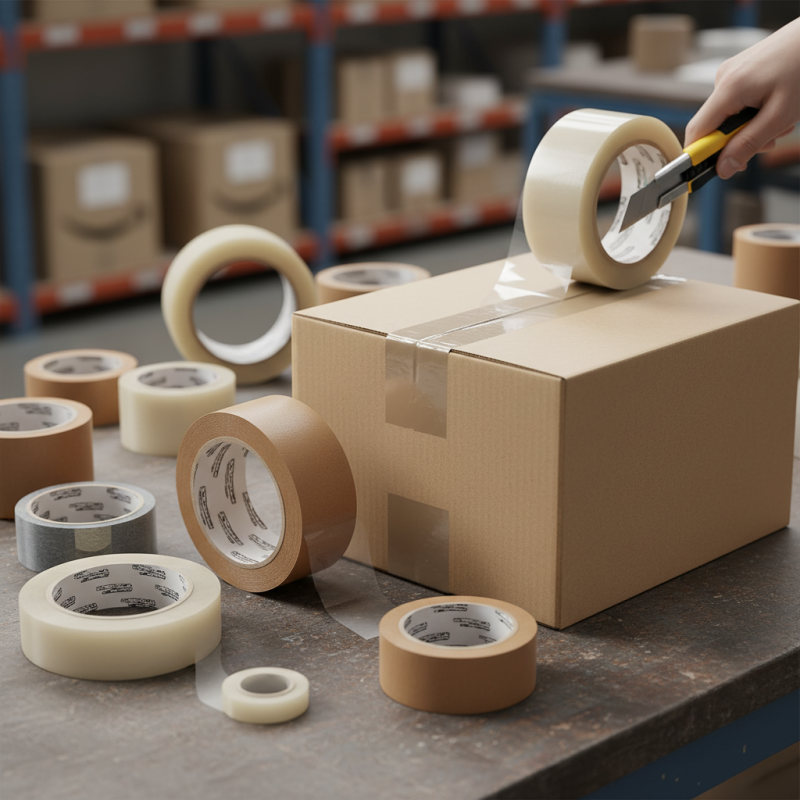
How to Choose the Best Top and Bottom Sealing Tape for Packaging?

Understanding Different Types of Sealing Tapes for Packaging

Sealing tapes play a crucial role in packaging. Choosing the right type can ensure the integrity and security of your products during transit. Understanding different types of sealing tapes is vital for effective packaging solutions.

A recent industry report shows that the global adhesive tape market is projected to reach $60 billion by 2025. This growth highlights the increasing demand for quality sealing solutions. Two common types of sealing tapes are acrylic and rubber-based. Acrylic tapes offer excellent UV resistance and are perfect for long-term storage. Rubber-based tapes, however, provide a stronger initial bond, making them suitable for heavy packages.

It's essential to consider the specific needs of your packaging process. Factors such as temperature fluctuations, humidity, and surface materials can affect tape performance. Some users may find that specific tapes do not provide the expected adhesion. Testing various options can mitigate these issues. Misunderstandings about tape applications can lead to unexpected failures, underscoring the need for research before selection.

Evaluating Material Properties of Top and Bottom Sealing Tapes

When evaluating the material properties of top and bottom sealing tapes for packaging, understanding their composition is crucial. Generally, these tapes come in various materials. Common options include polypropylene, polyester, and paper. Each material exhibits unique characteristics that affect adhesion, durability, and resistance to various environmental factors.

Polypropylene tapes, for instance, are known for their strong adhesion and resistance to moisture. They can hold up well in humid conditions. However, their flexibility may be a drawback in heavy-duty applications. On the other hand, polyester tapes often provide better tensile strength but can be more expensive. According to industry reports, around 45% of users prefer polypropylene for general packaging, while 30% choose polyester for specialized applications.

Tips: Always assess the environmental conditions your packages will face. Moisture-rich environments typically require tapes with higher resistance to humidity. Additionally, consider the surface type where the tape will be applied. Rough surfaces may need tapes with enhanced adhesion properties.

Remember, it’s essential to evaluate the tape after application. If peeling or lifting occurs, this indicates a mismatch in tape choice. Alternative solutions might be necessary for ensuring package integrity. Ultimately, the right sealing tape can enhance product protection and reduce losses during transit.

Identifying the Packaging Requirements for Your Products

When selecting sealing tape for packaging, it's essential to understand your specific requirements. Different products may need varied levels of protection. Consider the weight and fragility of the items you are packaging. Heavy products demand stronger adhesive tapes, while lighter items might be adequately secured with standard tapes. Always test the tape to ensure it can withstand the rigors of transport.

Humidity and temperature can impact tape performance. If your products are exposed to various environments, opt for tapes designed to resist moisture and extreme conditions. Consider the surface texture of the packaging as well. Some tapes adhere better to smooth surfaces, while others are formulated for rough materials. It’s worth experimenting with different types to see which one truly meets your needs.

Always reflect on your past experiences with different tapes. Did a particular type fail to stick during transit? Understanding these nuances can guide future decisions. Balancing cost with quality is critical. Cheaper tapes may save money upfront but can lead to costly damages. Evaluating the long-term implications is vital in securing your products effectively.

Packaging Tape Comparison: Types of Sealing Options

This chart illustrates the average strength (in pounds) for various types of sealing tapes commonly used in packaging. It highlights the differences between top and bottom sealing tapes to help identify the best options for your products.

Comparing Adhesive Strength and Durability of Sealing Tapes

When selecting sealing tape for packaging, adhesive strength and durability play crucial roles. According to a recent industry report, approximately 35% of packaging failures result from inadequate sealing. This statistic highlights the importance of choosing the right tape. A tape that easily loses adhesion may lead to product damage during transit, costing businesses significantly.

Durability is another key factor. Tests indicate that high-quality sealing tapes can maintain adhesion for over six months, even in varying temperatures. Conversely, lower-grade options often fail within weeks of application. This information underscores the need for businesses to consider not just the upfront costs but the long-term performance of sealing tape. A poor choice can impact customer satisfaction and overall operational efficiency.

Different adhesive compositions, such as rubber or acrylic, also influence performance. Rubber-based tapes generally offer stronger initial adhesion, while acrylic options tend to perform better over time. Selecting tape that aligns with your specific packaging requirements is vital. Balancing immediate needs with long-term durability can be complex and may require testing multiple options before settling on the perfect solution.

Tips for Proper Application and Usage of Sealing Tapes

When choosing sealing tapes for packaging, proper application significantly impacts performance. Begin by preparing the surfaces to ensure optimal adhesion. Dust, moisture, and grease can hinder tape effectiveness. Clean the area thoroughly, allowing it to dry completely before application.

Cut the sealing tape to the required length for your package. Avoid using excessive force, as this can stretch the tape and compromise its seal. Apply the tape evenly, ensuring it adheres firmly without wrinkles or air bubbles. Pay close attention to corners and edges, as these are common failure points.

After sealing, press down firmly to activate the adhesive. Check the seal after a few minutes; weak spots may need additional reinforcement. Remember, tape can behave differently based on environmental conditions, such as humidity and temperature. Always test your chosen tape under typical conditions to ensure reliability. Be mindful of over-applying tape; it can become counterproductive and difficult to remove later. Adjust your approach based on the specific packaging requirements and your previous experiences.

How to Choose the Best Top and Bottom Sealing Tape for Packaging? - Tips for Proper Application and Usage of Sealing Tapes

Tape Type Material Adhesive Type Best Use Cases Application Tips
Polypropylene Tape Plastic Acrylic Lightweight boxes, general use Ensure surface is clean and dry
Paper Tape Paper Rubber Fragile items, crafts Use a tape dispenser for ease
PVC Tape Vinyl Hot melt Heavy-duty boxes, shipping Apply pressure for a strong seal
Foam Tape Polyurethane Pressure-sensitive Sealing gaps, insulation Use with a level surface for best results
Gummed Tape Paper Water-activated Heavy-duty sealing, tamper-evident Moisten before application

FAQS

: What should I consider when choosing sealing tape for packaging?

: Think about the weight and fragility of your products. Heavy items need stronger tape for secure packaging.

How do humidity and temperature affect sealing tape?

These factors can impact tape performance. Choose moisture-resistant tapes for varying environments.

How important is surface texture for tape adhesion?

Surface texture matters. Some tapes stick better to smooth surfaces; others work well on rough materials.

What should I do to prepare for applying sealing tape?

Clean surfaces thoroughly. Dust, moisture, or grease can weaken the tape's adhesion.

What are common mistakes when applying sealing tape?

Avoid excessive force and ensure even application. Wrinkles and bubbles can create weak seals.

How can I check if the tape seal is strong enough?

Press down firmly after sealing. Wait a few minutes, then inspect for weak spots needing reinforcement.

Is it better to use more tape or just enough?

Using too much tape can be counterproductive. It may complicate removal and lead to frustration.

How can past experiences influence my tape choices?

Reflecting on past failures helps guide decisions. Learning from mistakes can prevent future issues.

Are cheaper tapes always a good option?

Not necessarily. While they save money initially, they might result in damage and higher costs later.

Should I test tape performance before use?

Yes, testing in typical conditions is crucial. It ensures reliability and avoids unexpected problems during transport.

Conclusion

When choosing the best top and bottom sealing tape for packaging, it's essential to understand the various types available and their respective properties. Different materials used in sealing tapes can greatly affect their performance in specific applications, making it crucial to assess the unique packaging requirements for your products.

Additionally, comparing the adhesive strength and durability of different sealing tapes will help ensure that your packages remain secure throughout the shipping and handling process. Finally, employing proper application techniques can significantly enhance the effectiveness of top and bottom sealing tape, ensuring that your packaging maintains its integrity and reliability.


Henry

Henry

Henry is a dedicated marketing professional with a profound expertise in the company's offerings. With years of experience in the industry, he possesses an impressive understanding of the market dynamics and consumer behaviors that drive success. Henry is committed to sharing his insights through......