How to Choose the Best Heat Sealing Cover Tape for Your Needs?

Time:2026-05-16 Author:Amelia
0%

Choosing the right Heat Sealing Cover Tape can be a daunting task. With so many options available, making a decision requires careful consideration. Understanding your specific needs is crucial. Heat sealing tapes come in various materials, thicknesses, and adhesive strengths. Each type serves different purposes, from packaging to insulation.

Quality is essential when selecting Heat Sealing Cover Tape. Look for products that have a proven track record and positive customer reviews. Many manufacturers provide detailed specifications, which can guide your choice. Don't overlook the importance of testing samples. This process can reveal how well the tape performs under specific conditions.

It’s also vital to reflect on your budget. Sometimes, cheaper options may not deliver the reliability you need. Investing in a high-quality Heat Sealing Cover Tape often pays off in the long run. Take your time, consider your requirements, and choose wisely.
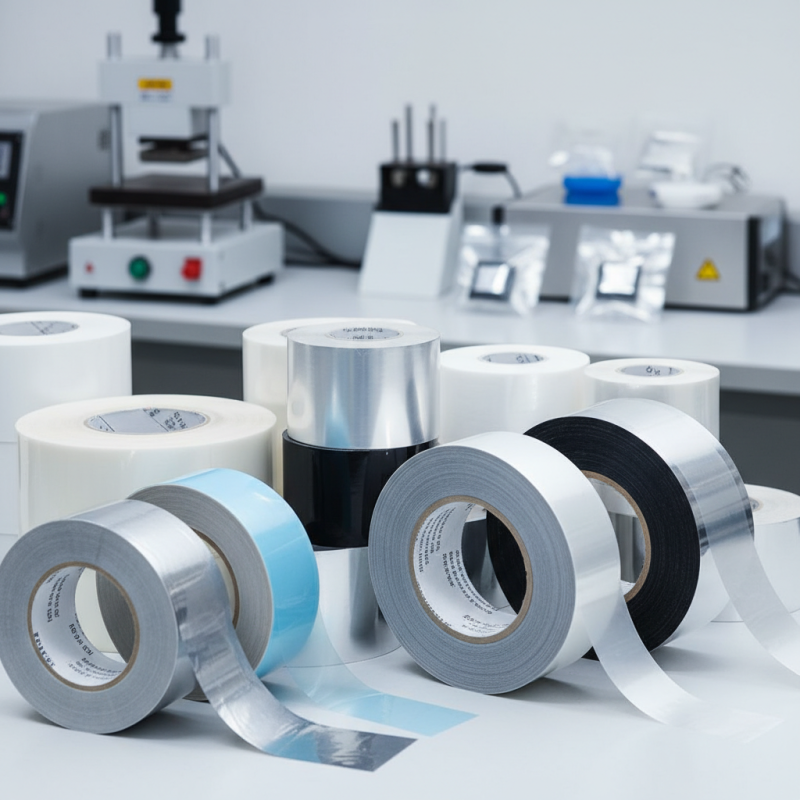
How to Choose the Best Heat Sealing Cover Tape for Your Needs?

Understanding Heat Sealing Cover Tapes: An Overview of Types and Applications

Heat sealing cover tapes serve various functions across industries, making them essential for effective sealing solutions. These tapes come in different types, each designed for specific applications. For instance, some tapes are ideal for packaging food products, while others excel in electronics or medical applications. Understanding the specific requirements of your project is key to selecting the right tape.

Polypropylene and polyester tapes are common options. Polypropylene tape offers resistance to moisture and chemicals, making it suitable for food packaging. Polyester tape, on the other hand, is known for its durability and high-temperature resistance, ideal for electronics. Each type has its limitations and strengths. Careful consideration of your needs and conditions is crucial for optimal performance.

Consider the environment where the tape will be used. Temperature fluctuations and exposure to various elements can impact adhesion. Testing samples in your application before making a large purchase can prevent costly mistakes. Not all options will perform well under every circumstance, so it's essential to evaluate their effectiveness in real-world conditions. Understanding your specific needs leads to a more informed decision.

How to Choose the Best Heat Sealing Cover Tape for Your Needs?

Type of Heat Sealing Cover Tape Material Temperature Resistance (°C) Typical Applications Advantages
Polyethylene (PE) Tape Plastic -40 to 80 Food packaging Cost-effective, good seal integrity
Polypropylene (PP) Tape Plastic -20 to 100 Electronics packaging High clarity, good tensile strength
PVC Tape Vinyl -10 to 90 Textile and fabrics Strong adhesion, flexibility
Silicone Tape Silicone -60 to 200 Automotive and aerospace High temperature resistance, durable
Heat-Resistant Tape Polyimide -73 to 260 Electronics, circuit boards Excellent heat resistance and insulation

Key Factors to Consider When Selecting Heat Sealing Cover Tape

When selecting heat sealing cover tape, understanding its characteristics is key. First, consider the temperature range. Some applications may require high heat resistance. If the tape cannot withstand the heat, it may fail. It can lead to compromised seals and wasted materials. Always check the manufacturer specifications for this detail.

Next, evaluate the tape’s adhesive strength. A strong adhesive ensures the tape will remain bonded during the sealing process. However, too much strength can complicate removal. It might leave residue or damage the underlying surface. Balancing adhesive strength is crucial.

Additionally, consider the type of material used in the tape. Various materials offer different benefits. For instance, a polyester tape may provide durability, while polyethylene could ensure flexibility. Each material has its own application niche. Understanding your specific needs helps to make an informed decision. Lastly, talk to professionals or consult case studies to learn from others’ experiences. Making mistakes is part of the learning process. Reflecting on past choices can guide future selections.

Comparison of Key Factors When Choosing Heat Sealing Cover Tape

Evaluating the Compatibility of Tape with Different Materials

When selecting heat sealing cover tape, compatibility with materials is crucial. Different materials react uniquely to adhesive properties. For instance, polyethylene and polypropylene require specific tapes to ensure a secure bond. The tape must also withstand various temperatures during the sealing process. According to a recent industry report, improper tape selection can lead to a failure rate of up to 30%. This underlines the importance of evaluating materials before making a purchase.

Adhesive formulations vary widely. Some tapes work effectively on porous surfaces, while others excel on non-porous materials. A study by the Adhesive and Sealant Council shows that user experience and material testing significantly affect bond strength. It's not a one-size-fits-all situation; mismatched materials can hamper effectiveness. Evaluating your specific application is key. Testing a small sample can provide insights before committing to larger quantities.

Evaluating compatibility involves more than surface characteristics. Environmental factors, like humidity and temperature fluctuations, can impact performance. Furthermore, certain adhesives are designed for specialty applications. Ignoring these nuances can lead to inadequate sealing and compromised results. Assessing your project's needs is essential; not every tape will suit every scenario. A thoughtful approach can save both time and resources in the long run.

Assessing Temperature Resistance and Durability Requirements

When choosing heat sealing cover tape, temperature resistance is crucial. Different applications require different heat levels. For instance, medical applications may demand strict durability and heat resistance. In contrast, packaging tape might only need moderate heat tolerance. Understanding these requirements ensures effective sealing without compromising the integrity of your product.

Durability is another key aspect. High-quality tape withstands wear and tear over time. A tape that frays or loses adhesion quickly can lead to product failure. You may find yourself re-sealing packages, which can be costly. Consider environmental factors too. Humidity, UV exposure, and temperature fluctuations can impact tape performance. Some tapes may need to be inspected regularly for any signs of degradation.

Assessing both temperature resistance and durability can seem overwhelming. It requires trial and error. You might discover that what works in theory does not hold up in practice. Experiment with different options. Gather feedback from colleagues who use the tape. Their experiences may reveal useful insights. Sometimes, a less expensive tape performs better than predicted. It’s essential to remain open to new solutions, even if they don’t meet initial expectations.

Cost Considerations and Budgeting for Heat Sealing Tape Purchases

Choosing the right heat sealing cover tape requires careful budgeting. Consider the range of prices available in the market. High-quality options can be more expensive, but they often deliver better performance and durability. If you buy cheaper tape, plan for possible replacements. This could increase your overall spending in the long run.


Evaluating your needs can also help manage costs. Think about the specific applications for the tape. Different projects may require varying levels of adhesion and resistance. This can influence your choice significantly. Sometimes, more specialized tapes are worth the price for crucial tasks.


Tips: Always request samples before purchasing. Testing them can help you find the right fit for your projects. Look for bulk purchasing options if you have regular needs. This can reduce per-unit costs. Keep an eye on supplier reviews to ensure reliability in both product and service.

FAQS

: What should I consider regarding temperature when selecting heat sealing cover tape?

: Check the temperature range. Ensure the tape can withstand necessary heat levels to avoid failures.

Why is adhesive strength important?

Strong adhesion keeps the tape bonded. However, too strong can damage surfaces or leave residue.

What materials are commonly used for heat sealing cover tape?

Polyester offers durability, while polyethylene gives flexibility. Choose based on your specific application needs.

How can I manage the cost of heat sealing tape?

Evaluate your budget by comparing prices. High-quality tape may cost more but could save money long-term.

Should I test tape before purchasing?

Yes, always request samples. Testing ensures the tape meets your project requirements effectively.

What if I need tape regularly?

Look for bulk purchasing options. It can significantly reduce the cost per roll.

Can I rely on supplier reviews?

Yes, checking reviews helps ensure product and service reliability. It’s important for informed decisions.

How can reflecting on past choices help?

Past mistakes offer valuable lessons. Understanding them can improve future tape selections.

Is it advisable to prioritize price over quality?

Not always. Cheaper tapes may fail and cost more over time. Balance is essential.

What’s a potential downside of using tape with too much adhesive strength?

It may complicate removal and damage underlying surfaces. Finding a balance is key.

Conclusion

Choosing the right Heat Sealing Cover Tape is crucial for ensuring effective sealing and protection in various applications. This guide outlines the different types of heat sealing tapes available, highlighting their specific uses across industries. Key factors to consider include the compatibility of tape with various materials, temperature resistance, and overall durability. It's essential to evaluate these aspects to ensure that the tape meets your project's requirements.

Additionally, budget considerations play a significant role in the purchasing process, as the cost of heat sealing cover tapes can vary widely based on quality and specifications. By carefully assessing these factors, you can select the best heat sealing cover tape that aligns with your needs and budget, ultimately ensuring a successful sealing outcome.


Amelia

Amelia

Amelia is a seasoned marketing professional with a wealth of expertise in our company’s core offerings. With an unwavering passion for driving growth and innovation, she plays a pivotal role in shaping our marketing strategies and enhancing brand visibility. A key aspect of her responsibilities......