Choosing the right Carrier Tape Sealing Tape is crucial for effective packaging. The right tape ensures your components are securely held and protected during transportation. With many options available, making the best choice can be a bit overwhelming.
Consider factors like material, thickness, and adhesive type when selecting Carrier Tape Sealing Tape. Not all tapes are created equal, and specific applications may require unique features. For instance, some tapes excel in moisture resistance, while others provide better adhesion to various surfaces.
A common mistake is to underestimate the importance of proper tape selection. It’s not just about sticking things together. The right Carrier Tape Sealing Tape can prevent damage and enhance product reliability. Take the time to assess your needs carefully before making a purchase.
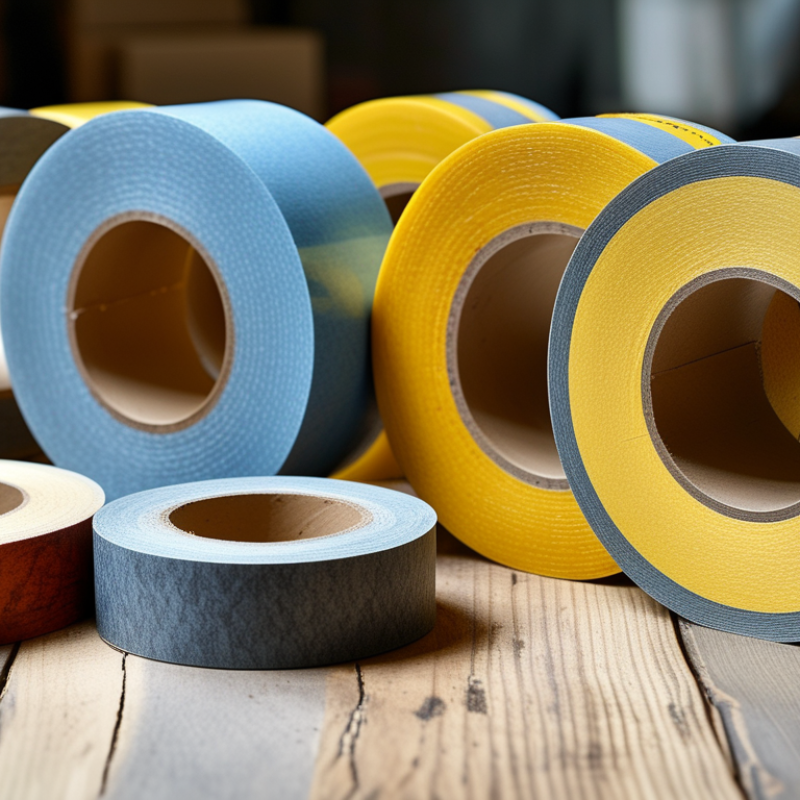
Carrier tape sealing tape plays a crucial role in the packaging of various electronic components. This type of tape is specifically designed to secure components within carrier tapes, providing safe transport and storage. Unlike standard adhesive tapes, carrier tape sealing tape must resist environmental factors and mechanical stress to ensure the integrity of sensitive components.
When selecting carrier tape sealing tape, your requirements matter. The thickness and width of the tape are essential aspects to consider. They should match the specifications of the carrier tape. Additionally, adhesion strength is vital; a tape that is too sticky may damage components, while one that is not sticky enough might fail to hold them securely. Even the material composition impacts performance. Many manufacturers use materials like polyimide or polyester for added durability.
Finding the right sealing tape can be trial and error. Sometimes the initial choice may not yield optimal results. Observing and analyzing the performance is key. Adjusting specifications after a few tests may lead to better outcomes. Make sure to document these trials to refine your choices over time. Understanding your unique needs can turn this into a more efficient process.
When selecting the best carrier tape sealing tape, several key factors should guide your choice. One primary consideration is material. Polypropylene (PP) and polyethylene (PE) are common choices. According to industry reports, PP is preferred for its durability and resistance to moisture. PE, while cheaper, may not offer the same level of protection. The right material can significantly impact the longevity of your packaged components.
Another crucial factor is the tape's adhesive properties. The adhesive must bond well to both the carrier tape and the components it will protect. Research indicates that high-quality adhesives can prevent moisture ingress by up to 95%, ensuring product integrity during shipping and storage. Additionally, understanding the temperature range of the adhesive is vital. If exposed to extreme heat or cold, some adhesives may fail.
It's also essential to consider the specifications of your product. The size and shape of the items being sealed should dictate the tape width and thickness. An incorrect fit may compromise the sealing process. Surveys show that around 30% of companies encounter issues due to mismatched tape and product sizes. Proper research into industry standards and testing can minimize such risks.
Carrier tape sealing tape is crucial in packaging and manufacturing. Selecting the right type depends on various factors. Understanding the specifications of each type can help in making an informed decision.
There are several types of carrier tape sealing tape. One common type is the polyimide tape. It has excellent temperature resistance. This makes it suitable for high-heat environments, like electronics manufacturing. Another option is the anti-static carrier tape. It protects sensitive components from electrostatic discharge. This is vital in industries dealing with electronic parts.
The width and thickness of the tape can affect its performance. A thicker tape may offer more durability. However, a thinner tape can improve flexibility. It's important to evaluate the compatibility with your specific application. Additionally, the adhesive strength should match your needs. Too strong adhesive might damage components upon removal. Consider these aspects carefully to optimize your choice.
This chart illustrates the tensile strength of various types of carrier tape sealing tape. Understanding the tensile strength helps in selecting the most suitable tape for your specific sealing requirements.
Choosing the right carrier tape sealing tape requires careful consideration of compatibility with your packaging equipment. It can be challenging. Different types of sealing tapes are designed for specific machinery. Using the wrong tape can lead to inefficiencies. It may also cause delays in production. Evaluate the specifications of your equipment before making a selection.
It’s essential to check the dimensions and materials. Your packaging machinery may have specific requirements. For example, certain tapes work well with thermal sealing machines. Other tapes may not adhere properly, leading to wasted materials. Testing a small batch can reveal potential issues. Observe how the tape performs under actual production conditions.
Compatibility should include temperature and humidity tolerances. If your environment fluctuates, select tapes designed for such conditions. Ignoring this aspect could result in adhesive failure. Conducting thorough assessments ensures you avoid disruptions. Reflecting on past experiences can provide insights. Continuous evaluation helps improve future selections.
| Tape Type | Material | Width (mm) | Thickness (mm) | Temperature Resistance (°C) | Adhesive Type | Compatibility |
|---|---|---|---|---|---|---|
| Standard Carrier Tape | PVC | 12 | 0.08 | 60 | Acrylic | Most Standard Machines |
| High-Temperature Carrier Tape | Polyimide | 16 | 0.1 | 120 | Silicone | High-Temperature Applications |
| Low-Noise Carrier Tape | Polypropylene | 10 | 0.06 | 50 | Rubber | Low-Noise Equipment |
| ESD Safe Carrier Tape | Conductive PET | 14 | 0.09 | 70 | Conductive | Electrostatic Sensitive Components |
When selecting carrier tape sealing tapes, quality is paramount. You want a tape that securely seals your components, preventing any damage during transport. Look for materials that stand up to humidity and temperature fluctuations. A good tape should have a strong adhesive yet be easy to peel. Testing samples can help you gauge their performance before making a bulk purchase.
Price is equally important. While cheaper options might save money upfront, they can lead to higher costs later due to failures. Assess the long-term value of products by considering their durability and reliability. Investing in high-quality tapes could save you from costly mistakes. It’s essential to balance price and performance carefully. Evaluating reviews and feedback can provide insight into a product's reliability. Remember, just because something is inexpensive doesn’t mean it’s the best choice for your needs.
: Carrier tape sealing tape is used in packaging and manufacturing. It helps protect components during transport.
Common types include polyimide tape and anti-static carrier tape. Each type serves different purposes.
Polyimide tape offers great temperature resistance, making it suitable for high-heat applications.
Anti-static carrier tape protects sensitive components from electrostatic discharge. This is essential for electronics.
Thicker tapes provide durability while thinner tapes offer flexibility. Choose based on your specific needs.
Adhesive strength should match your needs. Too strong can damage components; choose carefully.
Quality ensures secure sealing, preventing damage during transport. Good materials withstand humidity and temperature changes.
While cheaper options may save money, they can lead to failures. Assess long-term value carefully.
Yes, testing samples helps evaluate performance. It's wise to confirm products meet your requirements.
Balance quality and price. Higher quality may cost more but can prevent costly mistakes later on.
Choosing the right Carrier Tape Sealing Tape is essential for ensuring effective packaging and protection of electronic components. It's important to first understand the various applications of carrier tape sealing tape and how it can impact the performance of your products. When selecting the appropriate tape, key factors such as the material, thickness, and adhesive strength must be considered to ensure compatibility with your specific packaging equipment and to meet operational requirements.
Additionally, evaluating the quality and price of various carrier tape sealing tapes is crucial. Different types of tapes come with unique specifications that cater to specific needs, making it necessary to assess what best suits your requirements. By carefully considering these aspects, you can select a carrier tape sealing tape that not only meets your packaging needs but also enhances the efficiency of your operations.

YONGJIA Electronic