In the world of industrial materials, acetate cloth tape stands out for its versatility and reliability. According to recent market analysis, the global adhesive tape market is projected to reach $70 billion by 2026, with acetate cloth tape playing a pivotal role. This indicates a growing demand among various sectors, from automotive to construction. The unique properties of acetate cloth tape make it ideal for multiple applications, including bundling, reinforcing, and even as electrical insulation.
However, selecting the right acetate cloth tape can be complex. Not all products are created equal. Some may lack the adhesive strength or durability required for demanding environments. Industry experts emphasize the importance of examining specifications, such as the tensile strength and temperature resistance of these tapes. Furthermore, variations in quality can lead to inefficiencies and unexpected costs.
As the market evolves, aligning procurement strategies with reliable suppliers becomes crucial. Prioritizing high-quality acetate cloth tape ensures that projects run smoothly and meet industry standards. Still, it’s essential to remain vigilant about emerging technologies and material innovations that could further enhance performance. With the right approach, businesses can effectively navigate their procurement needs for acetate cloth tape in 2026 and beyond.
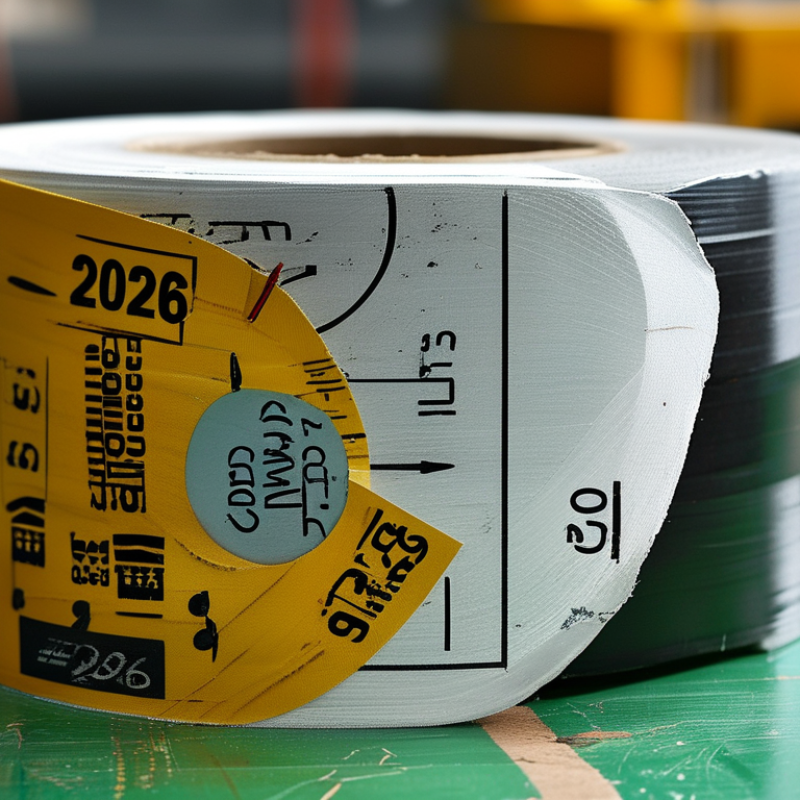
Acetate cloth tape is a versatile material widely used in various industries. Its features contribute significantly to its appeal. The tape is known for its strong adhesive properties, which ensure durability and reliable performance. According to a 2022 report by Market Research Future, the demand for adhesive tapes, including acetate cloth tape, is projected to grow at a CAGR of 5.5% through 2027. This growth reflects its usefulness in sectors such as automotive, construction, and packaging.
One of the critical benefits of acetate cloth tape is its temperature resistance. It can withstand high temperatures, making it ideal for applications in electrical insulation and automotive wiring. Moreover, its cloth backing provides flexibility and easy handling, which enhances application efficiency. A survey by the Adhesive Tape Manufacturers Association revealed that 40% of users appreciate the ease with which acetate cloth tape can be torn and applied.
However, there are some considerations. Acetate cloth tape is not as moisture-resistant as some other options. Users should avoid excessive exposure to water. Additionally, careful storage is essential to maintain its adhesive strength over time. Organizations must educate their teams on best practices to mitigate these challenges. While acetate cloth tape offers many benefits, understanding its limitations is crucial for effective use in procurement decisions.
Acetate cloth tape finds its place across various industries due to its versatile properties. In the automotive sector, it’s often used for masking during painting processes. Reports indicate that approximately 70% of automotive manufacturers prefer this tape for its durability and ease of removal. The tape’s resistance to solvents makes it ideal for high-demand environments.
In the construction industry, acetate cloth tape serves an essential purpose in bundling and sealing materials. With its exceptional adhesion quality, the tape remains effective even in challenging weather conditions. A study highlighted that about 60% of contractors use this tape in their daily operations, particularly for temporary repairs. However, users have reported inconsistencies in adhesive performance, especially under extreme temperatures.
The aerospace sector also utilizes acetate cloth tape for its lightweight and flexible characteristics. The tape is necessary for cable insulation and surface protection. Many aerospace engineers emphasize the need for greater reliability, as some tapes fail to perform consistently during lengthy applications. This calls for a more rigorous quality assessment in production.
When purchasing acetate cloth tape, consider several key factors to ensure quality and reliability. The adhesive strength is crucial. A strong adhesive ensures that the tape sticks well to various surfaces. It should adhere smoothly but also allow for easy removal without leaving residue. Evaluate the thickness of the tape as well. A thicker tape can offer better durability, especially for heavy-duty applications.
Another important aspect is the width of the tape. Various widths cater to different needs, such as fine detailing or broad coverage. Choose a width that matches your project requirements. Pay attention to the flexibility of the tape as well. A more flexible tape can conform to curves and corners effectively, enhancing its usability in creative applications.
Lastly, always read product reviews. They can provide insights into the performance of the tape. Look for feedback regarding its performance in different environments, such as temperature stability and moisture resistance. Reflecting on user experiences can guide you toward a suitable choice that meets your procurement needs.
When selecting the best acetate cloth tape for 2026, it’s crucial to focus on key factors. Durability is vital; the tape should withstand varying temperatures and environmental conditions. Look for options with strong adhesive properties for effective bonding. The texture plays a significant role as well, with options available in smooth and textured finishes, each catering to different needs.
Tips: Before you buy, test samples when possible. This helps evaluate how the tape adheres to different surfaces. Observe how easy it is to remove. Many tapes leave residue, which can be frustrating. It’s worth it to find a product that balances stickiness with clean removal.
Another tip is to consider the width and length of the tape. A wider tape may cover more area quickly, which can be beneficial for larger projects. However, for precision work, a narrower tape could provide better control. Experiment with both sizes to discover what best fits your projects. Always keep in mind that not every tape operates excellently in all conditions, so understanding your specific application is essential.
| Tape Type | Width (inches) | Length (yards) | Adhesive Strength (lb/in) | Temperature Resistance (°F) | Price ($) |
|---|---|---|---|---|---|
| Standard Acetate | 0.5 | 60 | 5 | 180 | 15.99 |
| Extra Strength Acetate | 1 | 50 | 7.5 | 200 | 18.99 |
| Heavy Duty Acetate | 2 | 40 | 10 | 220 | 22.99 |
| Ultra Clear Acetate | 0.75 | 100 | 6 | 160 | 14.99 |
In recent years, the demand for acetate cloth tape has surged, particularly in sectors like packaging and automotive. According to a report by Smithers Pira, the global market for adhesive tapes is projected to grow at a CAGR of 5.1% through 2025. This growth underscores the necessity for companies to reassess their procurement strategies for acetate cloth tape, particularly regarding budgeting.
Cost analysis for acetate cloth tape procurement involves several factors. The price per roll can vary widely, influenced by quality, width, and thickness. For instance, a basic roll might cost around $1.50, while specialty tapes can exceed $5. An organization must also consider shipping and logistics, which can add 10-15% to total costs. This situation demands careful planning to avoid overspending.
On the flip side, many companies face challenges in achieving the perfect balance between quality and cost. Budget constraints often lead to compromises on tape specifications. While prioritizing cost savings, businesses may overlook the potential losses due to faulty tape performance. As industry reports indicate, defective tapes can cause production delays, leading to greater losses. Thus, a comprehensive analysis is essential for informed procurement decisions, ensuring the right balance between quality and budget.
: Acetate cloth tape is a versatile adhesive tape used in many industries. It features a strong adhesive and cloth backing.
It is widely used in automotive, construction, and packaging industries. Each sector appreciates its durability and flexibility.
One major benefit is its high-temperature resistance, suitable for electrical insulation and automotive wiring applications.
Yes, it is not very moisture-resistant. Users should keep it away from excessive water and humidity to maintain effectiveness.
It is crucial to store it carefully to maintain its adhesive strength. Poor storage can lead to reduced performance over time.
Adhesive performance can be inconsistent under extreme temperatures. Users have reported performance issues in very hot or cold conditions.
The price can vary based on quality, width, and thickness. Shipping costs may add an extra 10-15% to the overall price.
Companies need to balance quality and cost to avoid choosing defective tape, which may cause production delays and losses.
Many users appreciate its easy tearing and handling. This feature contributes to efficient application in various tasks.
Organizations must educate teams about limitations and best practices. Understanding both quality and budget considerations is vital.
Acetate Cloth Tape is a versatile and durable adhesive solution widely used across various industries. It boasts several features, including high tensile strength and excellent conformability, making it ideal for applications ranging from electrical insulation to crafting and packaging. Understanding the benefits of Acetate Cloth Tape is crucial for procurement decisions, as its performance can significantly impact project outcomes.
When selecting Acetate Cloth Tape, buyers should consider key factors such as adhesion properties, temperature resistance, and thickness. Evaluating the top applications helps to recognize the value it brings to different sectors. Furthermore, a detailed cost analysis is essential for budgeting procurement needs effectively, ensuring that organizations can acquire high-quality tape that meets their specific requirements without exceeding their financial constraints.

YONGJIA Electronic